Full Warm-Up vs. Minimal Warm-Up: I Tested Both for 4 Weeks, Here’s What Changed
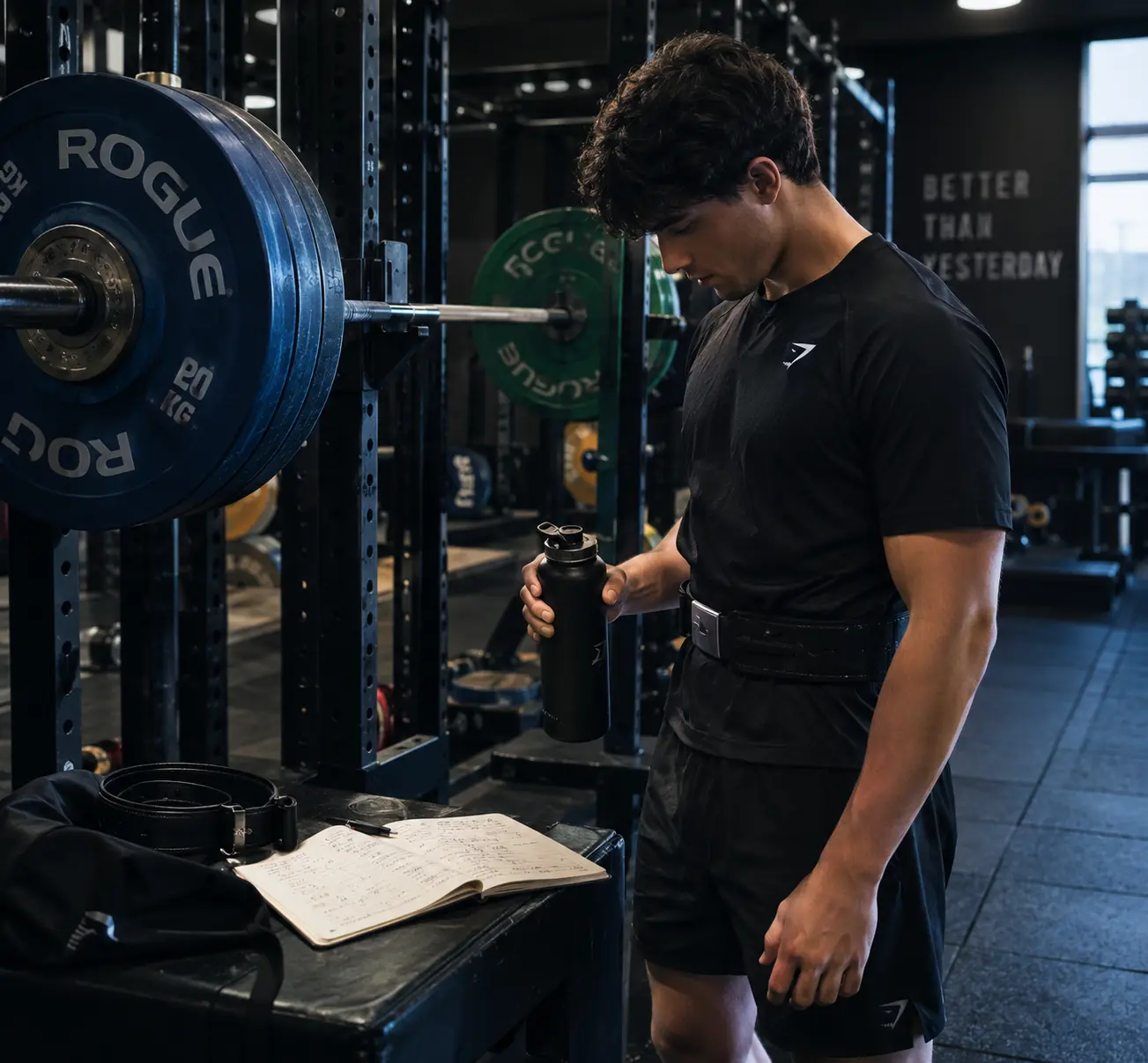
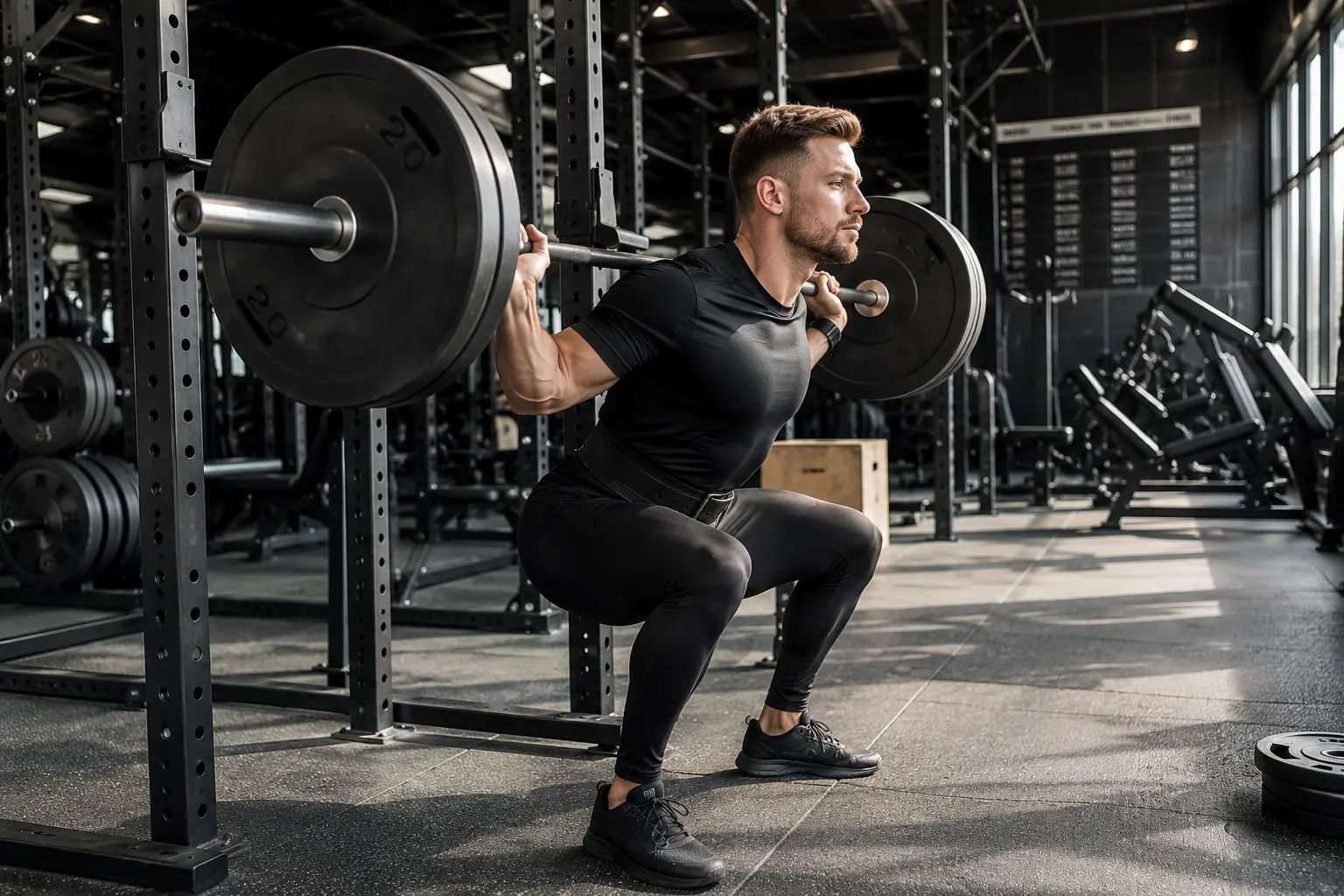
Person comparing full warm-up vs minimal warm-up before a squat session

Quick answer: In my own 4-week comparison of full warm-up vs minimal warm-up, a full warm-up (general cardio plus graduated specific warm-up sets) produced a noticeably lower RPE on my squat working sets than a minimal warm-up (just 1–2 light sets), matching research showing a combined warm-up can improve 1RM strength by over 8% compared … Read more
How Fast You Actually Lose Strength: Track Your Strength Comeback, Not the Research Average

Person testing their squat to track their strength comeback after time off

Quick answer: Track your strength comeback by logging your key lifts’ weight, reps, and RPE right before a break starts, then retesting those same lifts in your first 1–2 sessions back. Research shows strength and muscle size hold up far better than most people fear — often with no significant loss for weeks or even … Read more

8 Self-Experiments in the Gym: What 6 Months of Tracking Everything Actually Taught Me

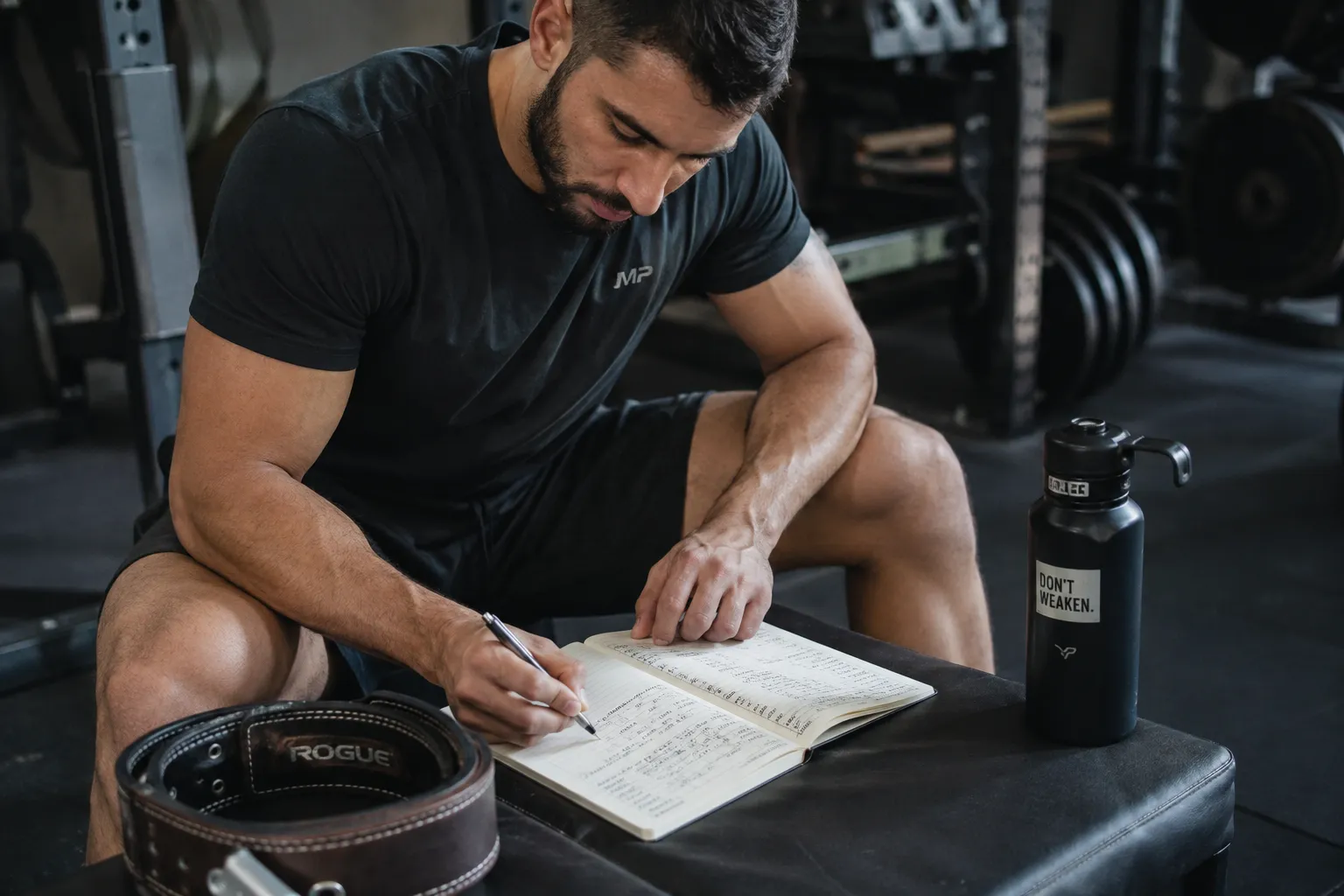
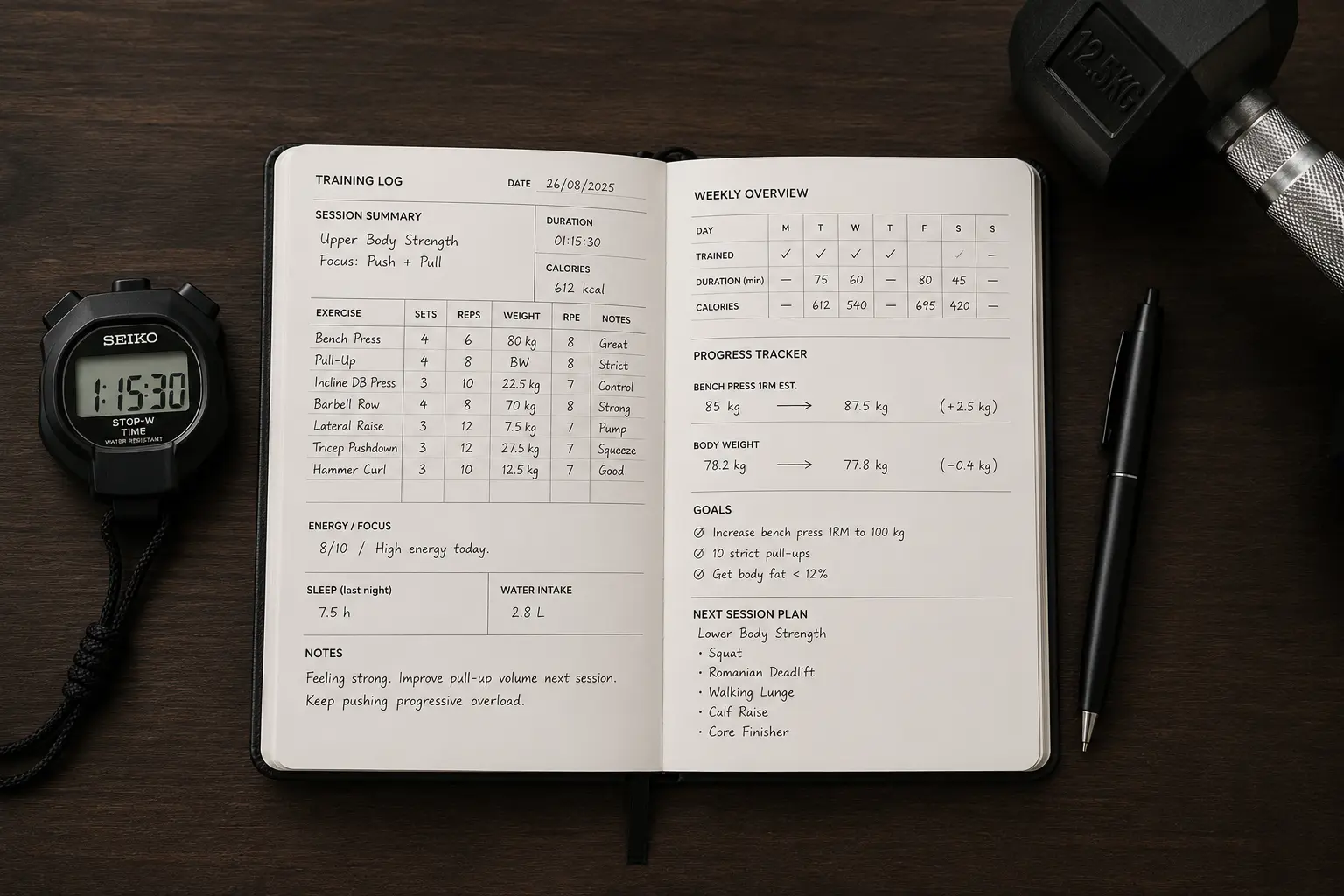
Training log covering 6 months of self-experiments in the gym

Quick answer: Across 8 separate self-experiments in the gym — grip strength, isometric holds, BFR training, cardio order, deload timing, Japanese walking, zone 2, and rucking — three patterns showed up repeatedly regardless of the specific method: the log mattered more than the tool, effort-based metrics (RPE) caught changes weight alone missed, and every “plateau” … Read more

Deload Week: How to Know You Need One Without Any App or Wearable

Person planning a deload week without an app using a paper training log

Quick answer: A deload week without an app or wearable is entirely possible by watching five signs in your own training log: stalled or declining performance across multiple sessions, joint aches that linger, muscle soreness that lasts longer than usual, dropping motivation to train, and poor sleep despite normal habits. When two or more show … Read more

Cardio Before or After Weights: Proven Ways to Track What Works for You

Person deciding cardio before or after weights in the gym

Quick answer: Research generally favors doing weights before cardio when strength is your priority, since resistance-then-endurance order showed a measurable strength advantage in controlled studies. But group averages don’t guarantee your individual response, so the most reliable answer comes from a short, tracked self-experiment comparing both orders in your own training log. Ask ten lifters … Read more

BFR Training Progress: How to Track Your Progress When There’s No Weight to Increase

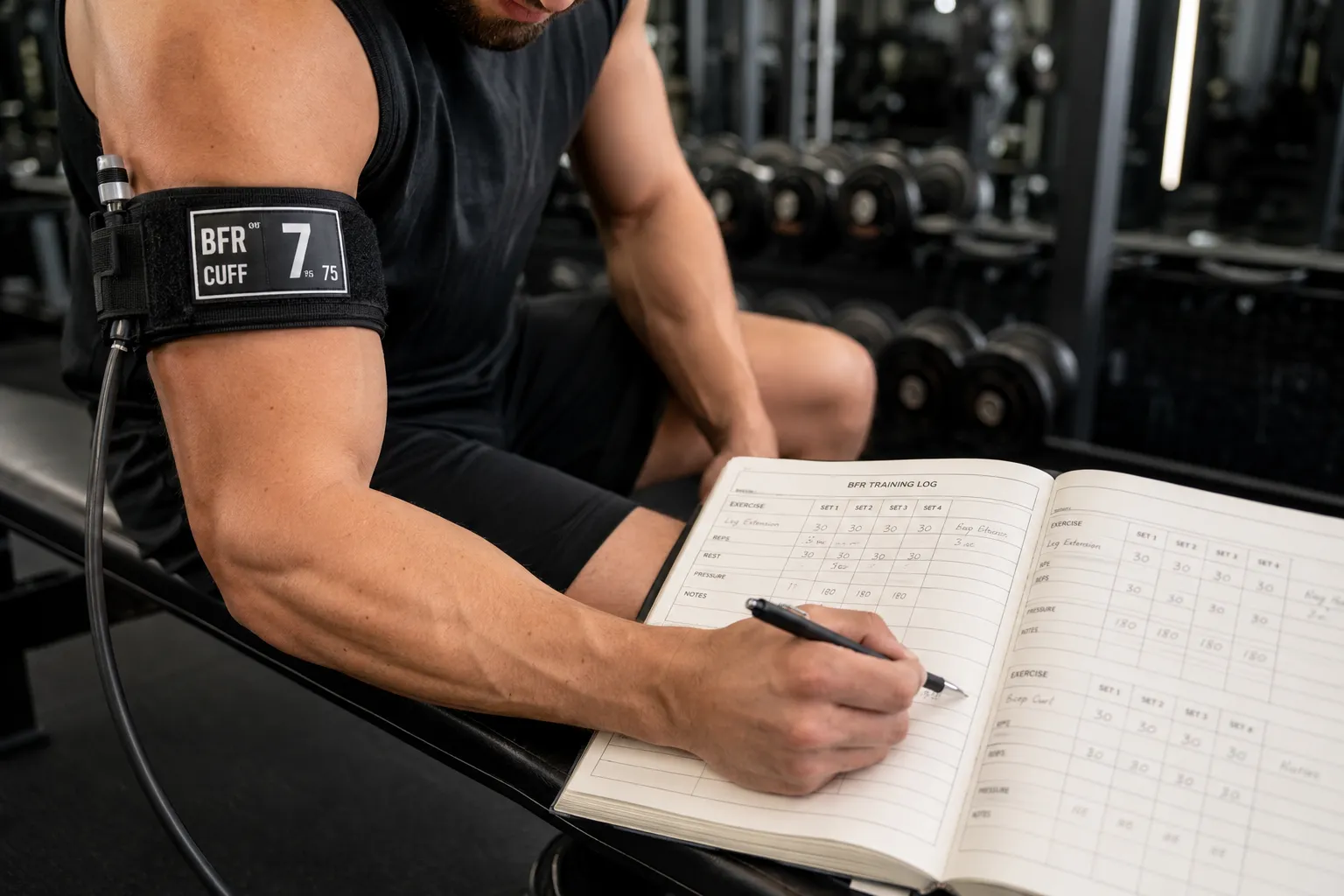
Person tracking BFR training progress with occlusion bands on the arm

Quick answer: BFR training progress isn’t tracked by adding weight, since the load stays deliberately light. Instead, log cuff pressure, reps completed to near-failure at that fixed load, session RPE, and periodically retest your regular strength without bands to confirm the carryover is real. You wrap the bands around your arm, do a set of … Read more

Zone 2 Training for Lifters: The Ultimate, Proven Guide to Finding Your Zone Without a Lab Test

Zone 2 training for lifters on an incline treadmill at a conversational pace

Quick answer: Zone 2 training for lifters means low-intensity cardio — roughly 60–70% of max heart rate, or a pace where you can hold a conversation with some effort — done for 30–45 minutes to build an aerobic base without interfering with strength or muscle gains. You don’t need a lab lactate test to find … Read more

How to Track Isometric Training Progress (When There’s No Rep Count)

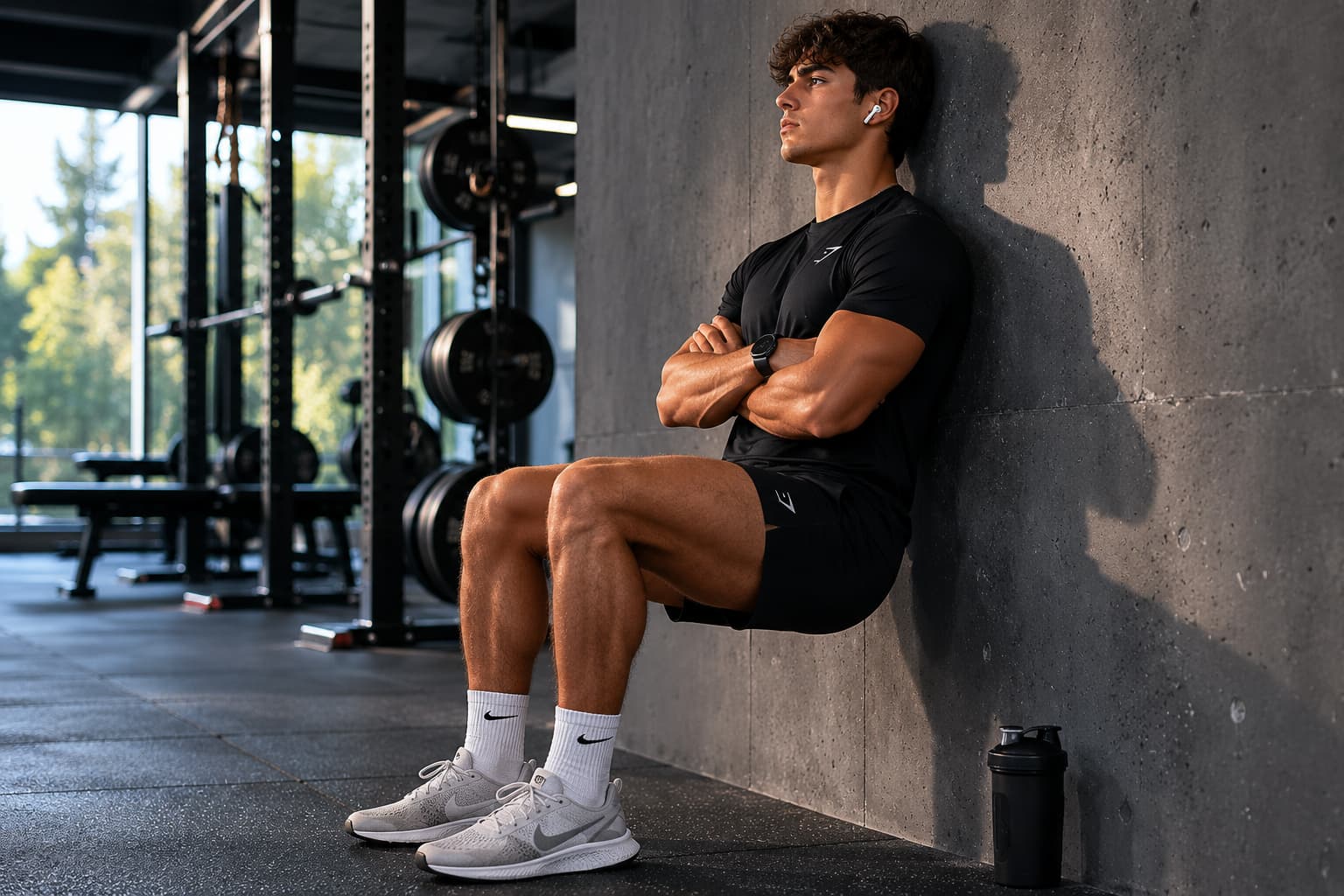
Person holding a wall sit to track isometric training progress

Quick answer: To track isometric training progress, log hold time, perceived effort (or % of max voluntary contraction), the exact joint angle you’re training at, and — if available — force output from a dynamometer or resistance band. Unlike normal lifts, isometric progress isn’t a single number; it’s a combination of these four metrics tracked … Read more

Master Japanese Walking for Lifters: The Surprising Truth vs. Rucking

Japanese walking for lifters alternating fast and slow walking pace

Quick answer: Japanese walking for lifters means alternating 3 minutes of fast walking with 3 minutes of slow walking for about 30 minutes, a method originally developed to improve fitness in older adults that’s now gone viral as low-impact cardio. For lifters, it offers similar muscle-sparing benefits to rucking, with less equipment but less functional … Read more

Exercise Snacks for Lifters: How to Always Stay Consistent on Your Busiest Days

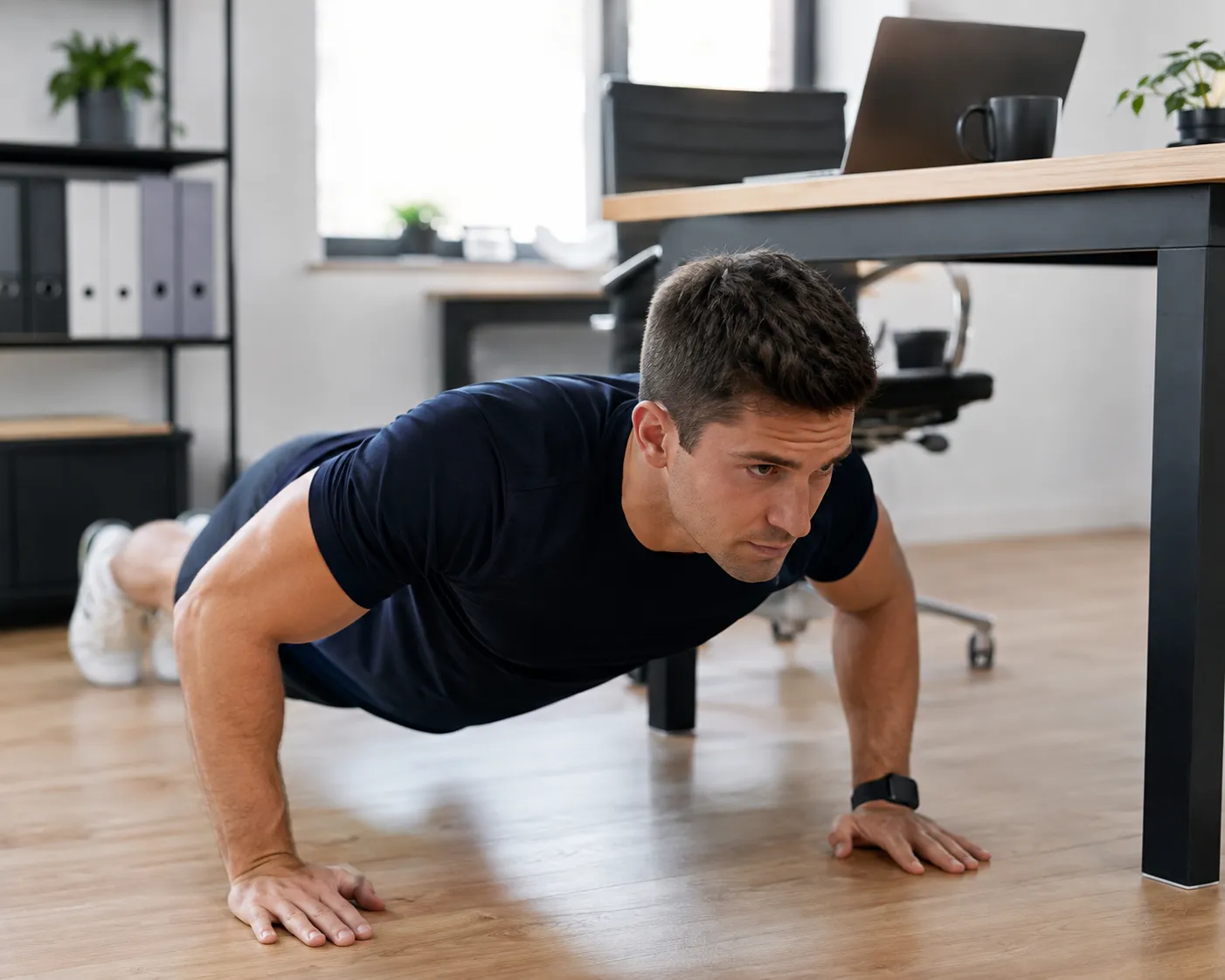
Exercise snacks for lifters shown as a quick push-up set at a desk

Quick answer: Exercise snacks for lifters are short bursts of strength-focused movement — usually 30 seconds to 5 minutes — done between meetings, during breaks, or while traveling, to maintain consistency and preserve strength on days a full workout isn’t possible. They aren’t a replacement for real training sessions, but they close the gap on … Read more