RPE-Based Double Progression Tracking: Why It Beats Percentage Models for Hypertrophy
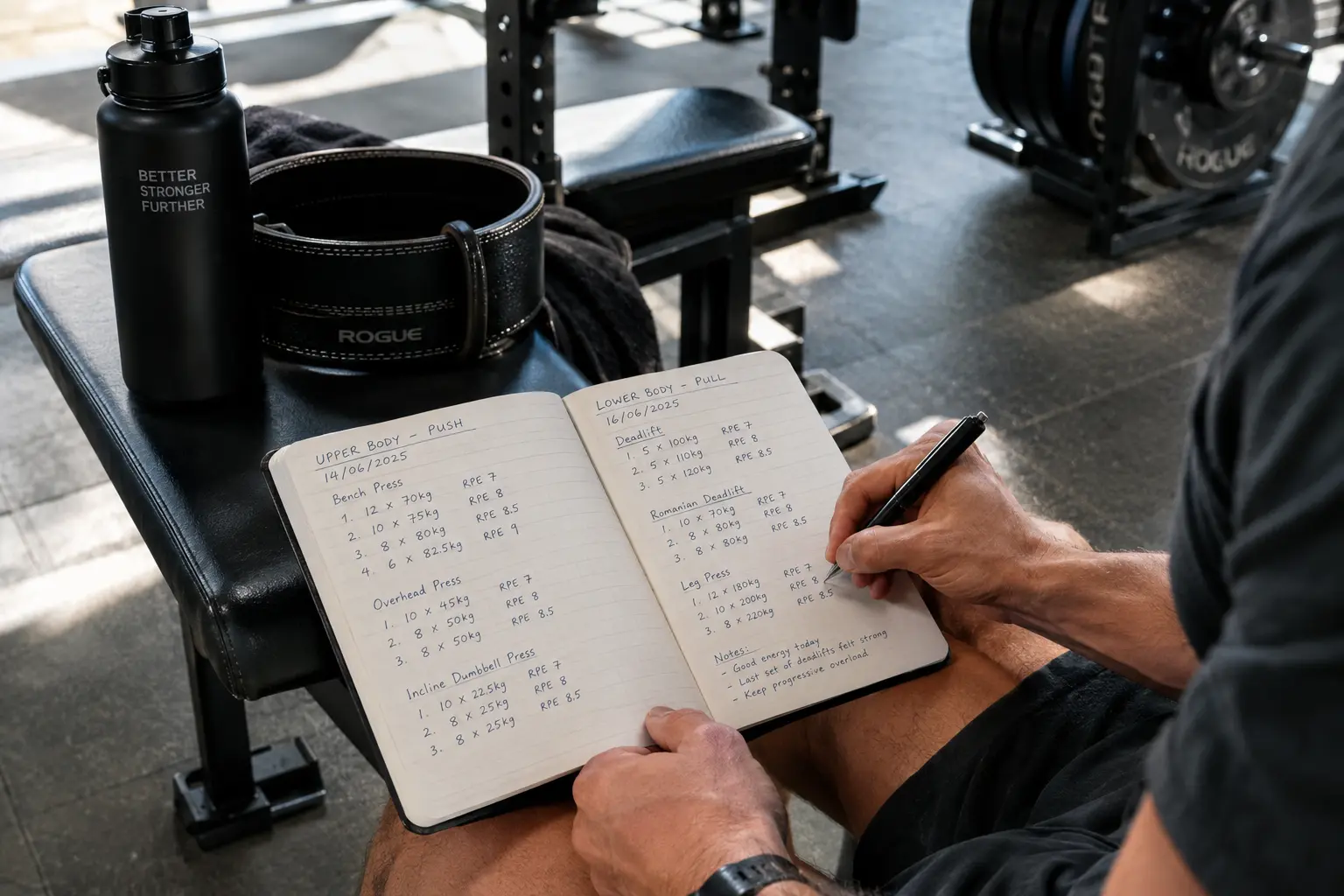
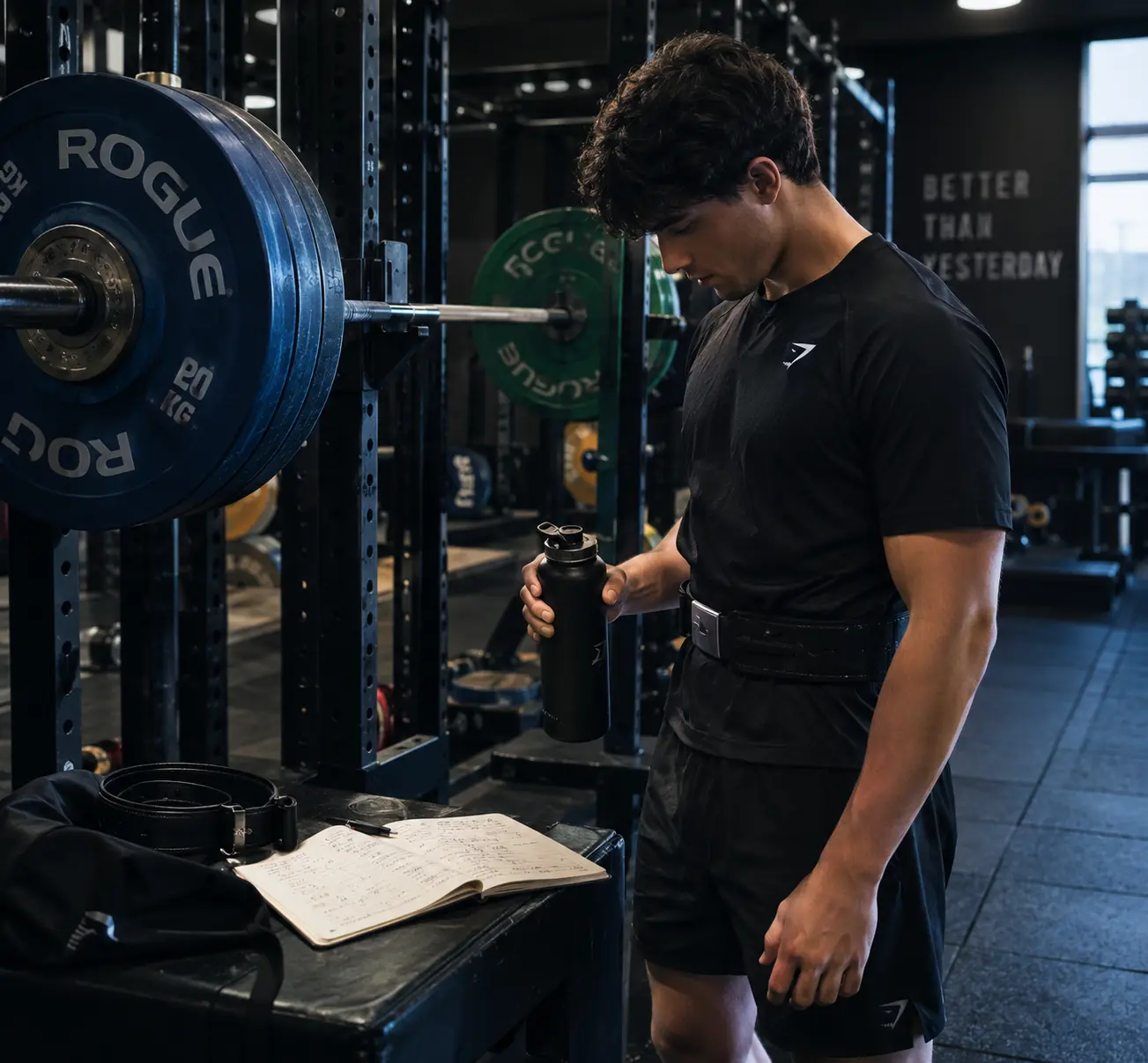
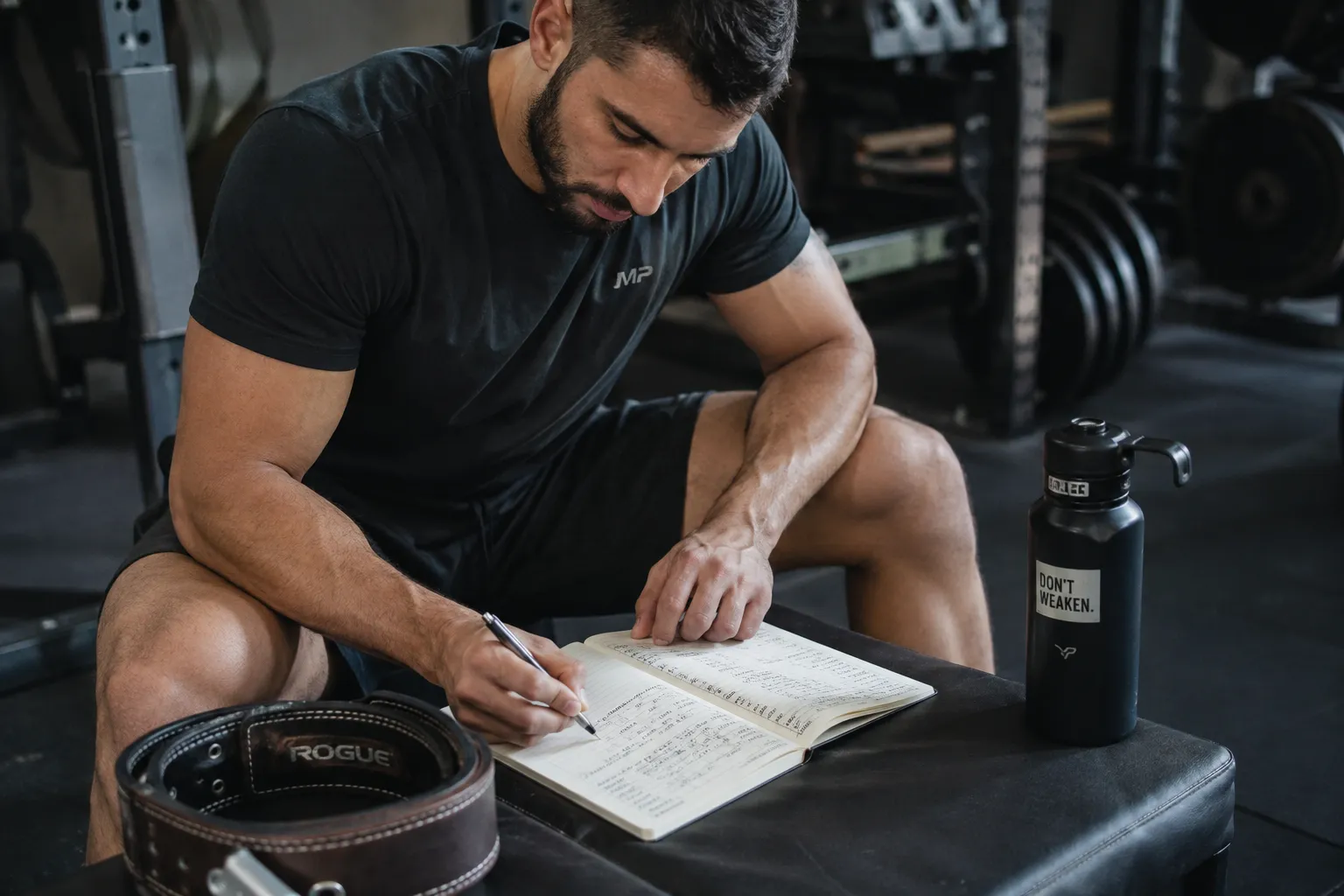
Athlete recording RPE-based double progression tracking notes in a training log

Quick Answer: RPE-based double progression tracking allows natural lifters to drive muscle hypertrophy by manipulating rep ranges and ratings of perceived exertion within a target threshold, completely bypassing the fatigue and injury risks of regular 1RM testing. By logging performance metrics session-to-session in a training diary, athletes can ensure continuous progressive overload using biological feedback … Read more
Full Warm-Up vs. Minimal Warm-Up: I Tested Both for 4 Weeks, Here’s What Changed

Person comparing full warm-up vs minimal warm-up before a squat session

Quick answer: In my own 4-week comparison of full warm-up vs minimal warm-up, a full warm-up (general cardio plus graduated specific warm-up sets) produced a noticeably lower RPE on my squat working sets than a minimal warm-up (just 1–2 light sets), matching research showing a combined warm-up can improve 1RM strength by over 8% compared … Read more

Deload Week: How to Know You Need One Without Any App or Wearable

Person planning a deload week without an app using a paper training log

Quick answer: A deload week without an app or wearable is entirely possible by watching five signs in your own training log: stalled or declining performance across multiple sessions, joint aches that linger, muscle soreness that lasts longer than usual, dropping motivation to train, and poor sleep despite normal habits. When two or more show … Read more

Cardio Before or After Weights: Proven Ways to Track What Works for You

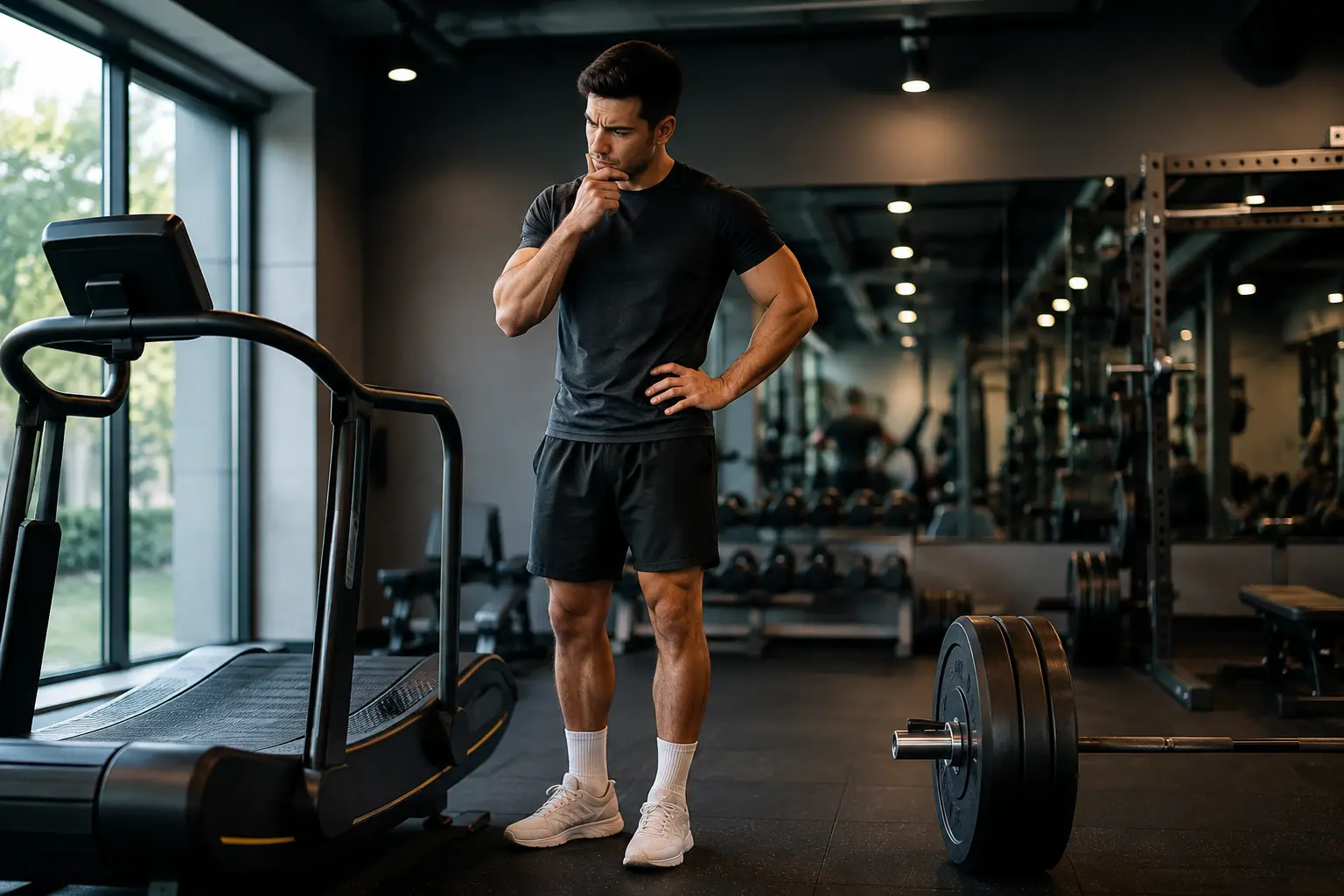
Person deciding cardio before or after weights in the gym

Quick answer: Research generally favors doing weights before cardio when strength is your priority, since resistance-then-endurance order showed a measurable strength advantage in controlled studies. But group averages don’t guarantee your individual response, so the most reliable answer comes from a short, tracked self-experiment comparing both orders in your own training log. Ask ten lifters … Read more

How to Track Isometric Training Progress (When There’s No Rep Count)

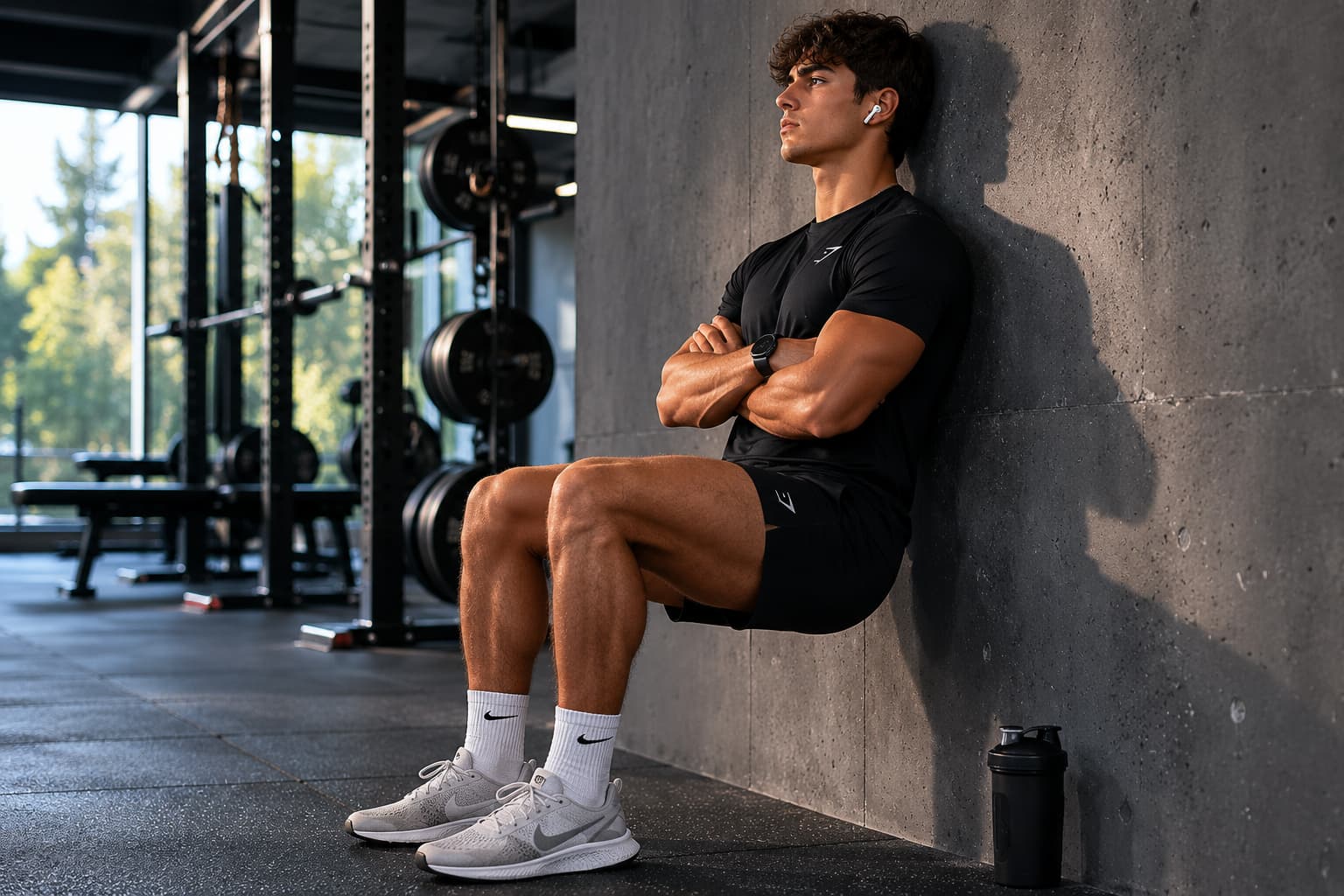
Person holding a wall sit to track isometric training progress

Quick answer: To track isometric training progress, log hold time, perceived effort (or % of max voluntary contraction), the exact joint angle you’re training at, and — if available — force output from a dynamometer or resistance band. Unlike normal lifts, isometric progress isn’t a single number; it’s a combination of these four metrics tracked … Read more