BFR Training Progress: How to Track Your Progress When There’s No Weight to Increase
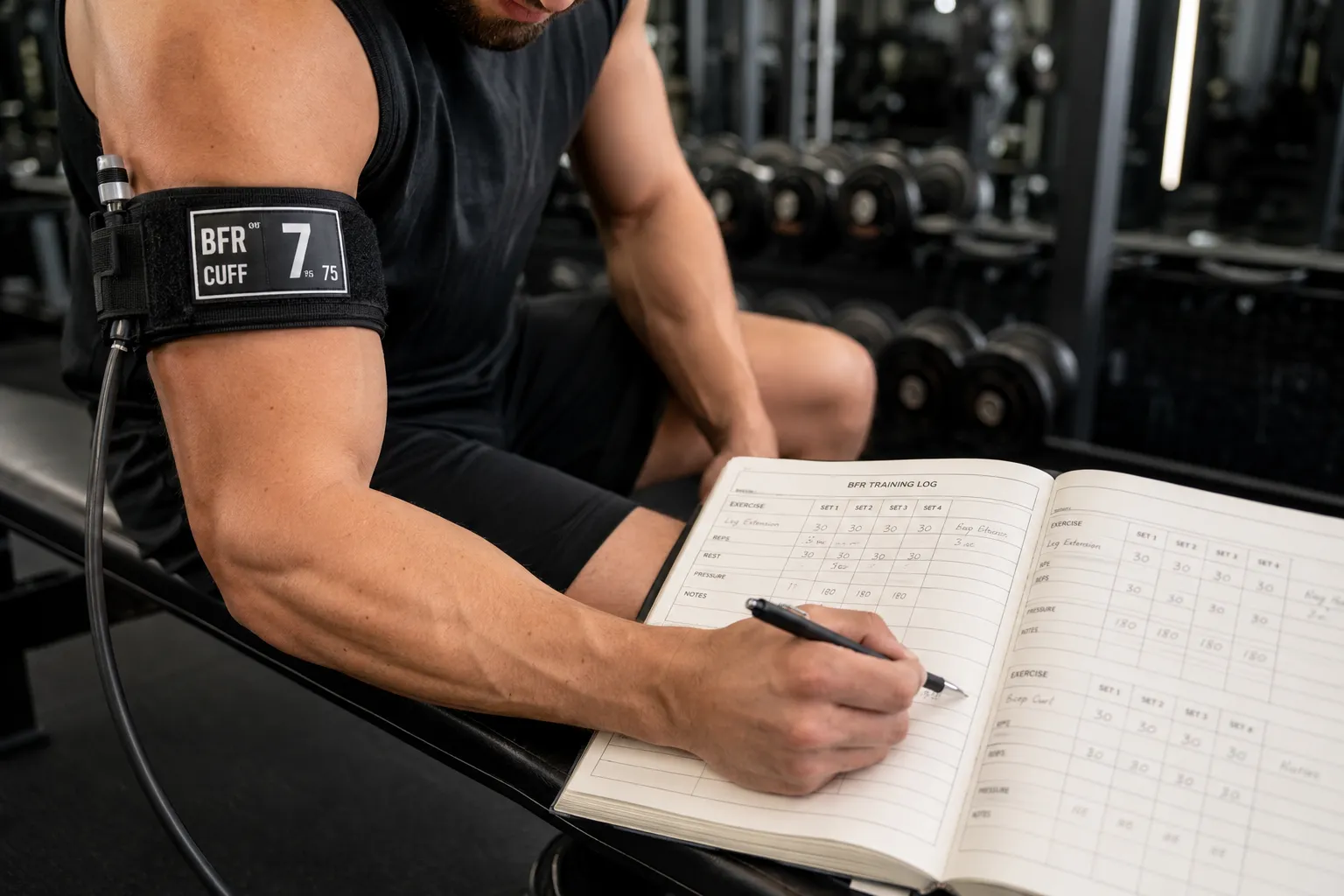
Person tracking BFR training progress with occlusion bands on the arm

Quick answer: BFR training progress isn’t tracked by adding weight, since the load stays deliberately light. Instead, log cuff pressure, reps completed to near-failure at that fixed load, session RPE, and periodically retest your regular strength without bands to confirm the carryover is real. You wrap the bands around your arm, do a set of … Read more
How to Track Isometric Training Progress (When There’s No Rep Count)

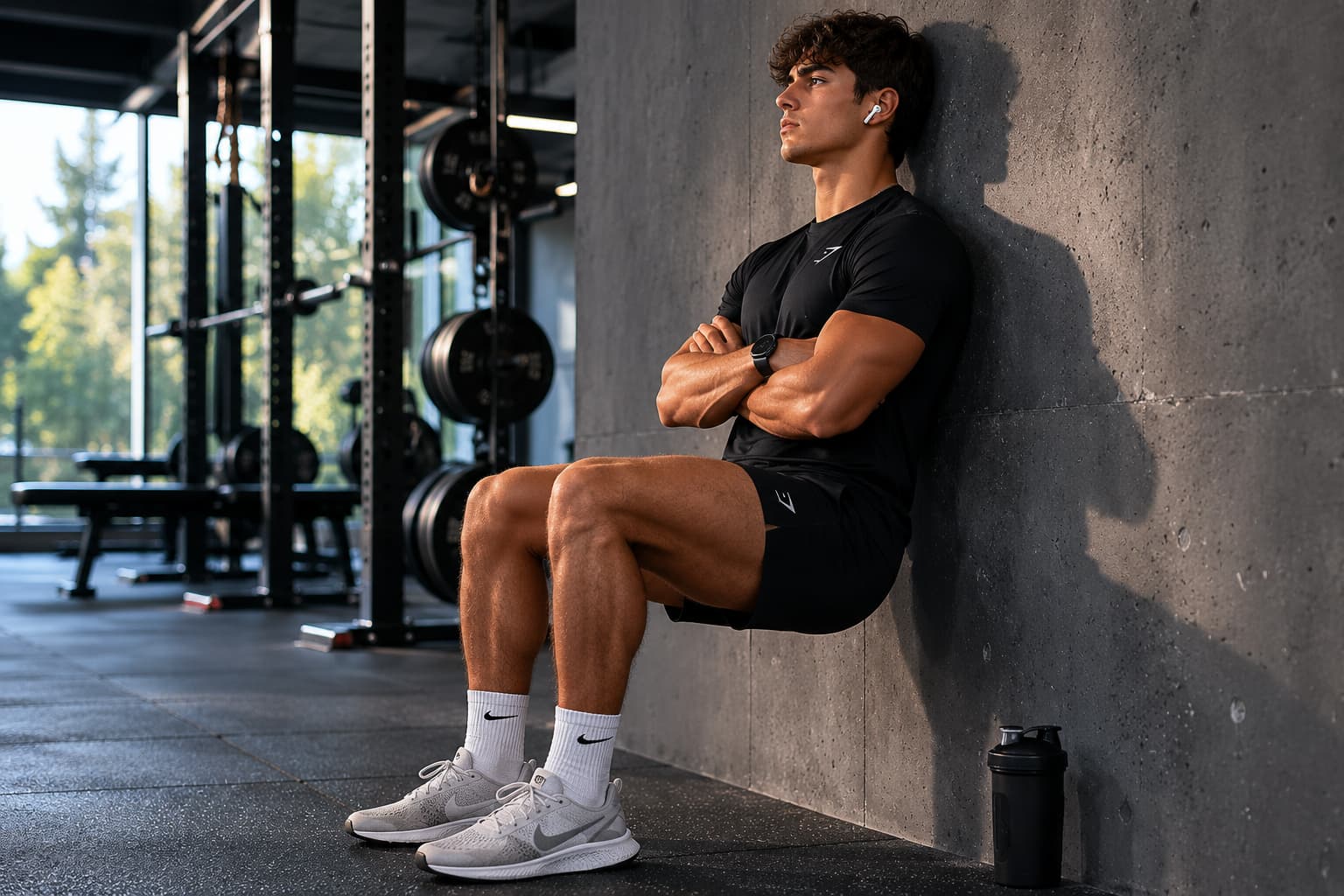
Person holding a wall sit to track isometric training progress

Quick answer: To track isometric training progress, log hold time, perceived effort (or % of max voluntary contraction), the exact joint angle you’re training at, and — if available — force output from a dynamometer or resistance band. Unlike normal lifts, isometric progress isn’t a single number; it’s a combination of these four metrics tracked … Read more

Exercise Snacks for Lifters: How to Always Stay Consistent on Your Busiest Days

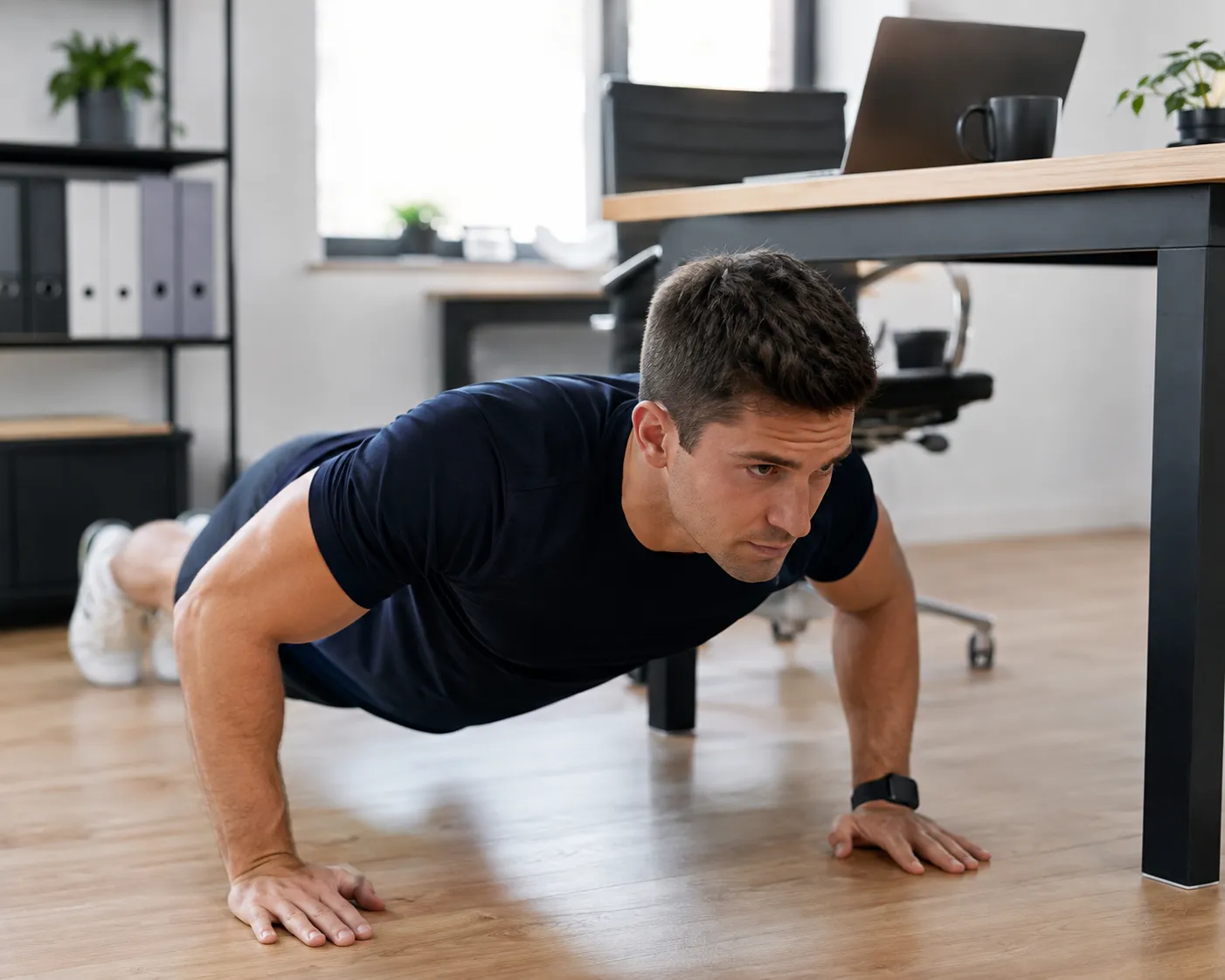
Exercise snacks for lifters shown as a quick push-up set at a desk

Quick answer: Exercise snacks for lifters are short bursts of strength-focused movement — usually 30 seconds to 5 minutes — done between meetings, during breaks, or while traveling, to maintain consistency and preserve strength on days a full workout isn’t possible. They aren’t a replacement for real training sessions, but they close the gap on … Read more

Rucking for Lifters: How to Track Progress on Your Weighted Walks

Rucking for lifters with a weighted backpack on a trail

Quick answer: Rucking for lifters means walking with a weighted backpack to build cardiovascular fitness without the muscle-interference effect that running can cause. Most lifters start with 5–10% of body weight and track pack weight, distance, and pace the same way they’d track any other lift. If you lift weights, you’ve probably avoided cardio for … Read more

Grip Strength Training: How to Build and Track It Like Any Other Lift

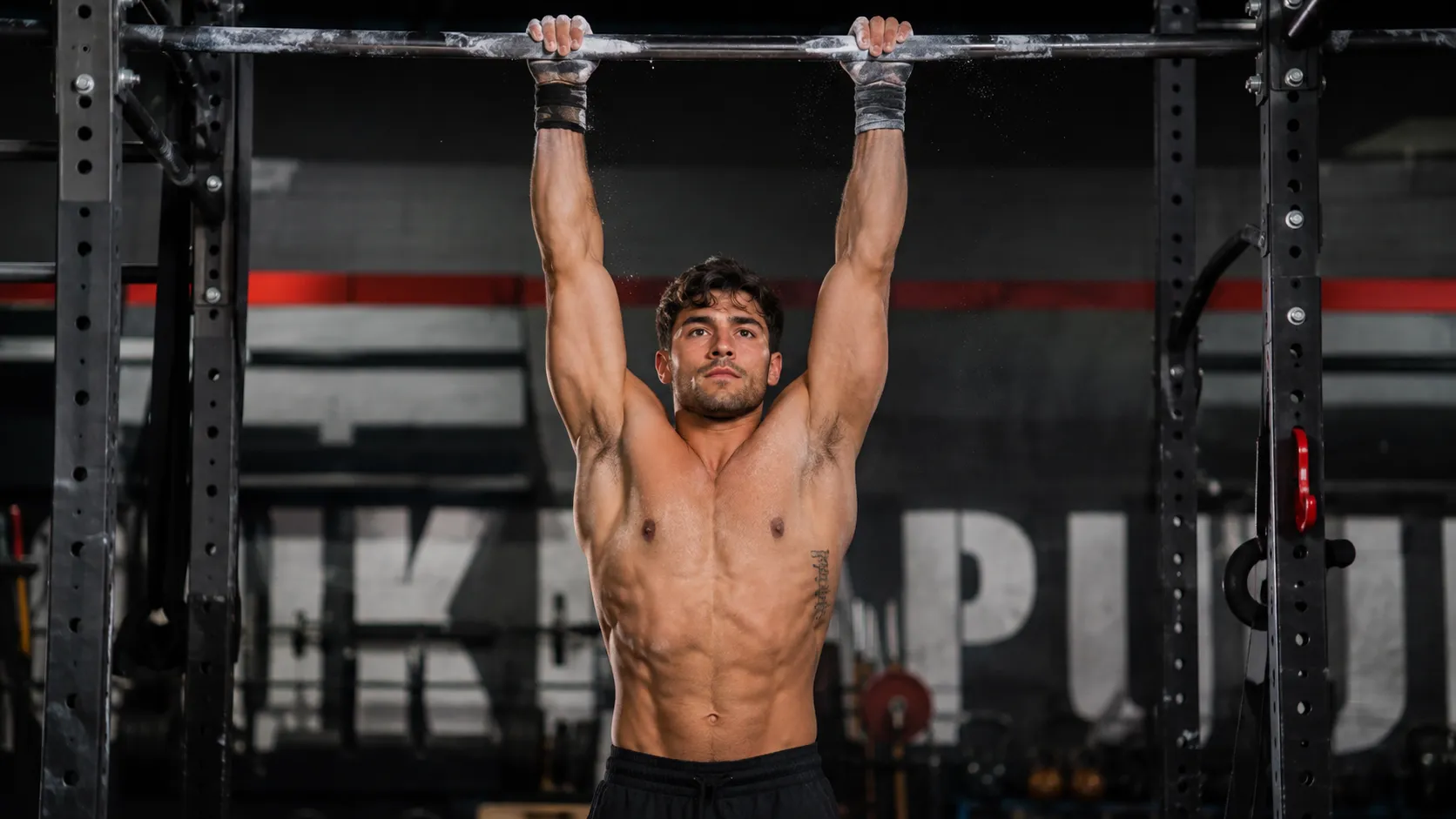
Grip strength training with a dead hang from a pull-up bar

Quick answer: Grip strength training means deliberately working your hands and forearms with exercises like dead hangs, farmer’s carries, and plate pinches, using the same progressive overload principles you’d apply to any other lift. Most people can meaningfully improve their grip in 6–8 weeks with just two focused sessions a week. You’ve probably heard someone … Read more