Master Japanese Walking for Lifters: The Surprising Truth vs. Rucking
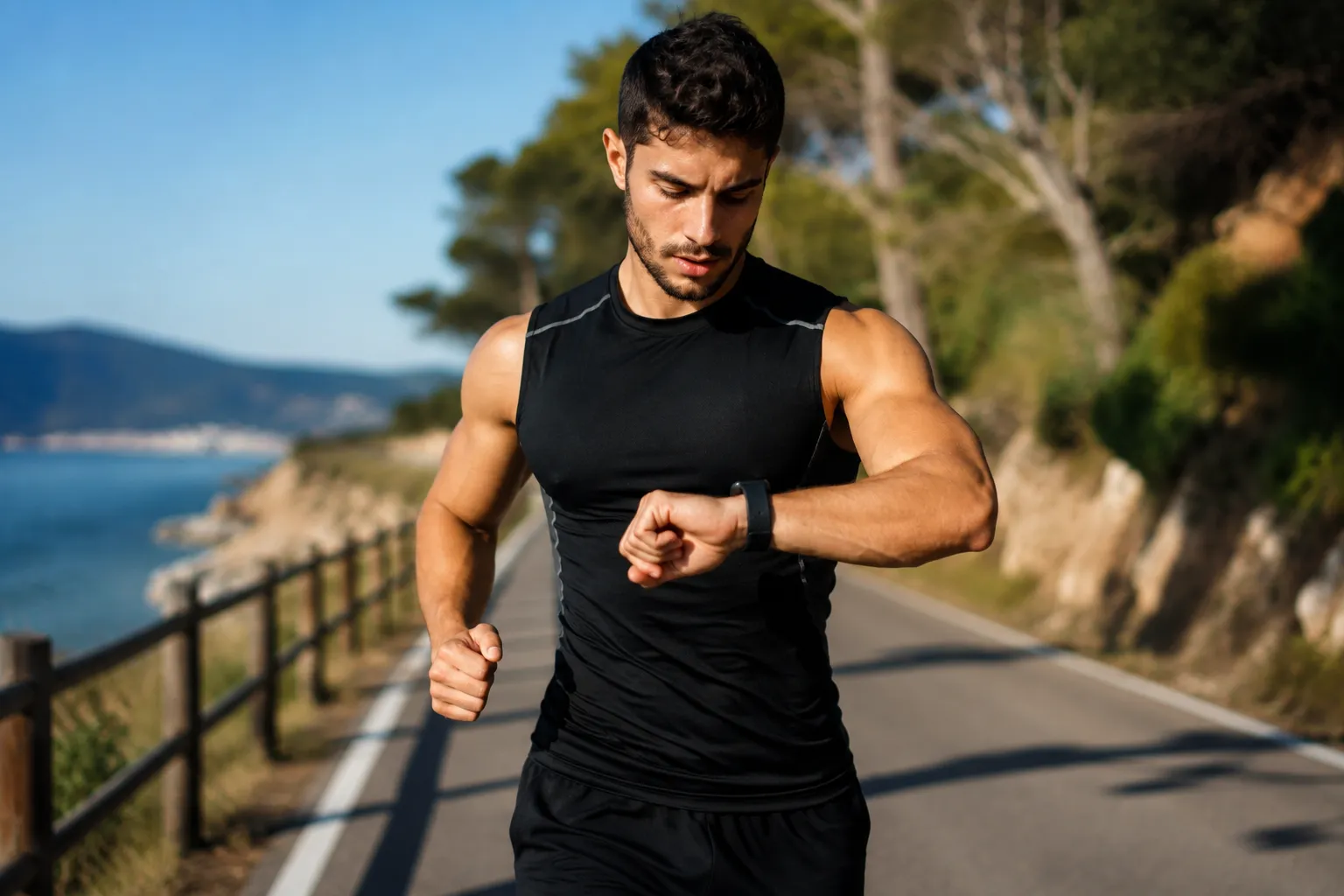
Japanese walking for lifters alternating fast and slow walking pace

Quick answer: Japanese walking for lifters means alternating 3 minutes of fast walking with 3 minutes of slow walking for about 30 minutes, a method originally developed to improve fitness in older adults that’s now gone viral as low-impact cardio. For lifters, it offers similar muscle-sparing benefits to rucking, with less equipment but less functional … Ler mais
Exercise Snacks for Lifters: How to Always Stay Consistent on Your Busiest Days

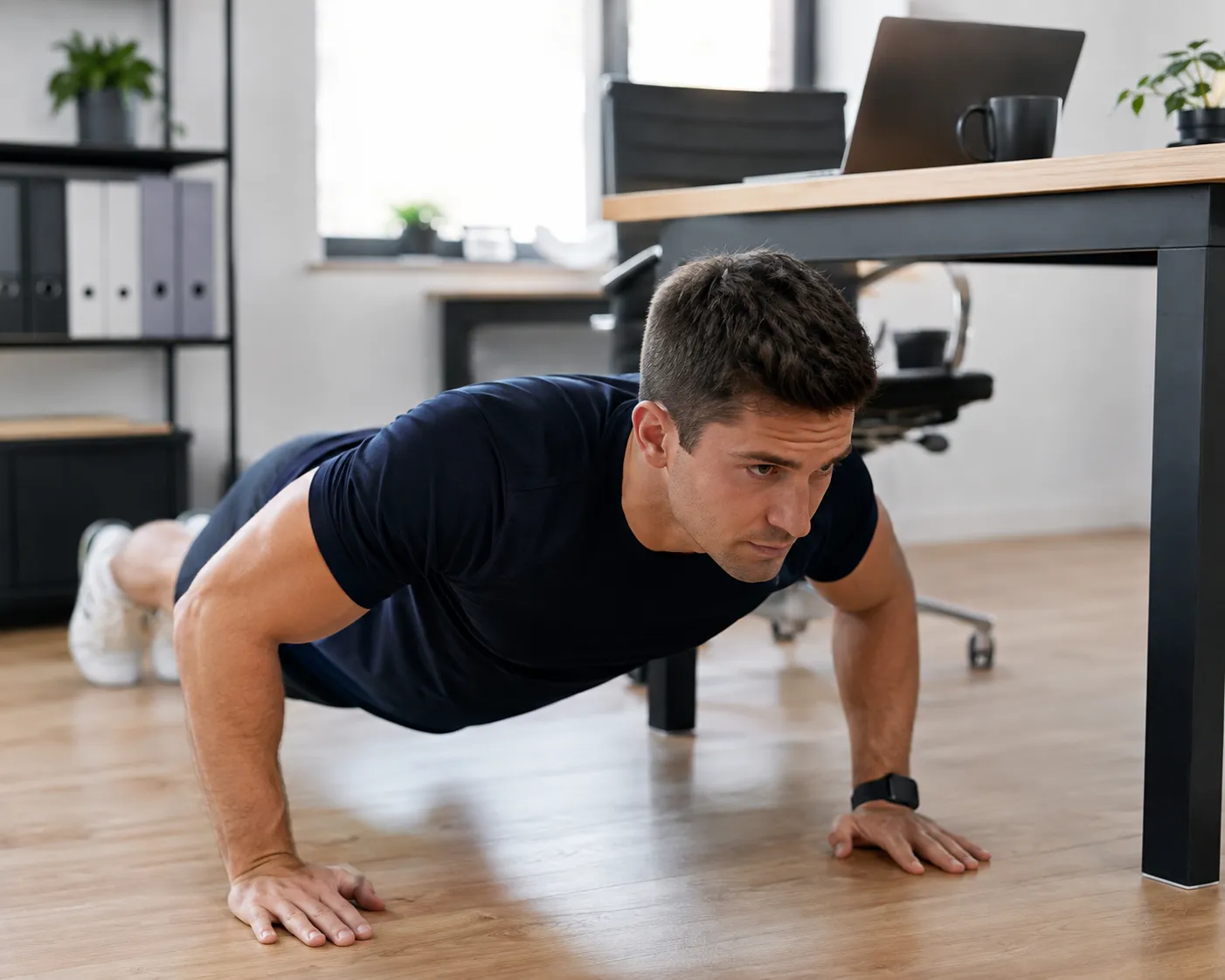
Exercise snacks for lifters shown as a quick push-up set at a desk

Quick answer: Exercise snacks for lifters are short bursts of strength-focused movement — usually 30 seconds to 5 minutes — done between meetings, during breaks, or while traveling, to maintain consistency and preserve strength on days a full workout isn’t possible. They aren’t a replacement for real training sessions, but they close the gap on … Ler mais

Are Smartwatches Accurate for Weightlifting? What the Data Actually Shows

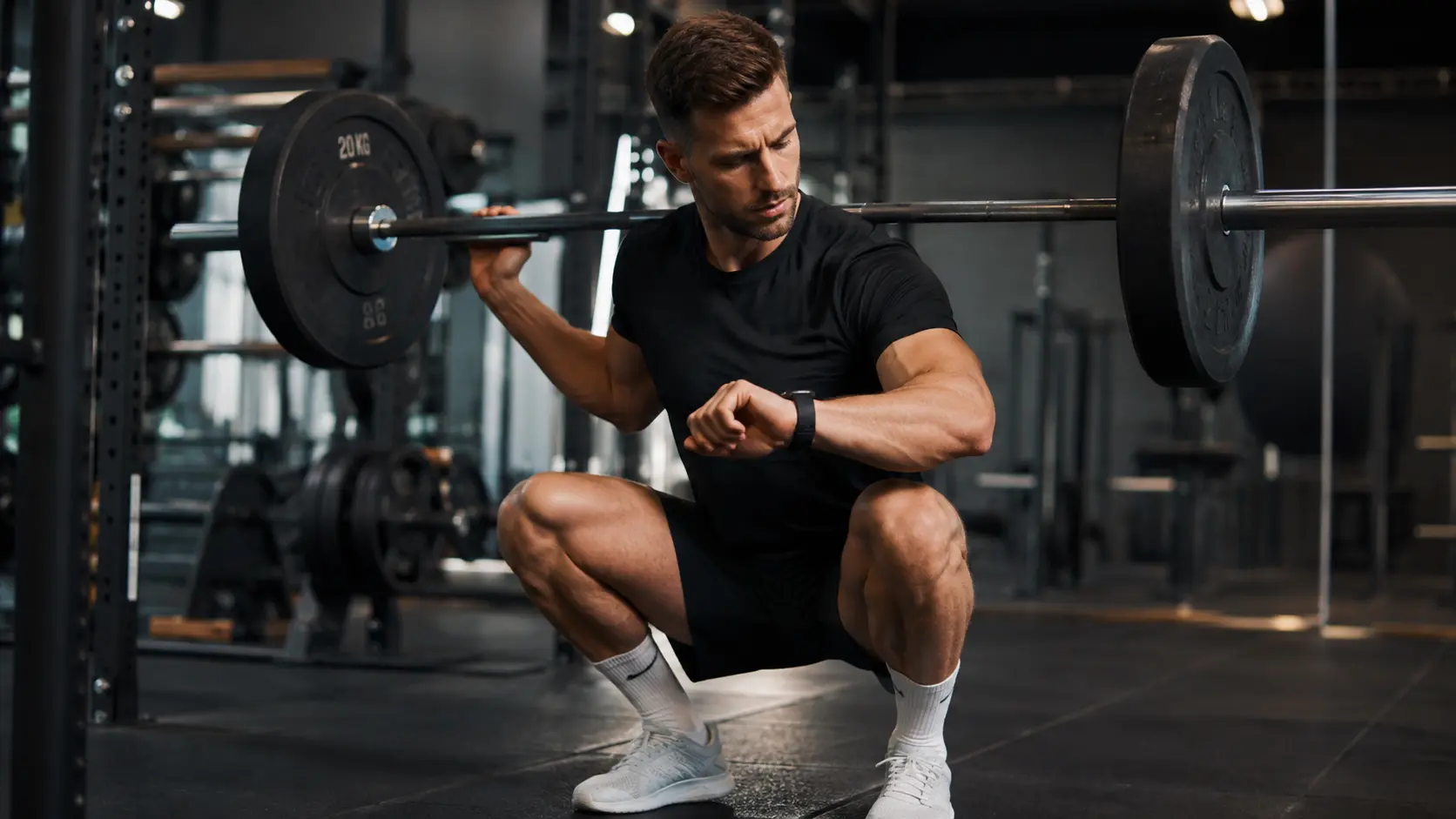
are smartwatches accurate for weightlifting shown during a barbell squat

Quick answer: So, are smartwatches accurate for weightlifting? Moderately — they correctly identify the exercise about 88% of the time and count reps reliably for squats and deadlifts, but poorly for bench press. Treat smartwatch data as a helpful estimate to review and correct, not a fully automated replacement for your workout log. You glance … Ler mais

Rucking for Lifters: How to Track Progress on Your Weighted Walks

Rucking for lifters with a weighted backpack on a trail

Quick answer: Rucking for lifters means walking with a weighted backpack to build cardiovascular fitness without the muscle-interference effect that running can cause. Most lifters start with 5–10% of body weight and track pack weight, distance, and pace the same way they’d track any other lift. If you lift weights, you’ve probably avoided cardio for … Ler mais

Treino de Força de Preensão: Como Treinar e Acompanhar Como Qualquer Outro Exercício

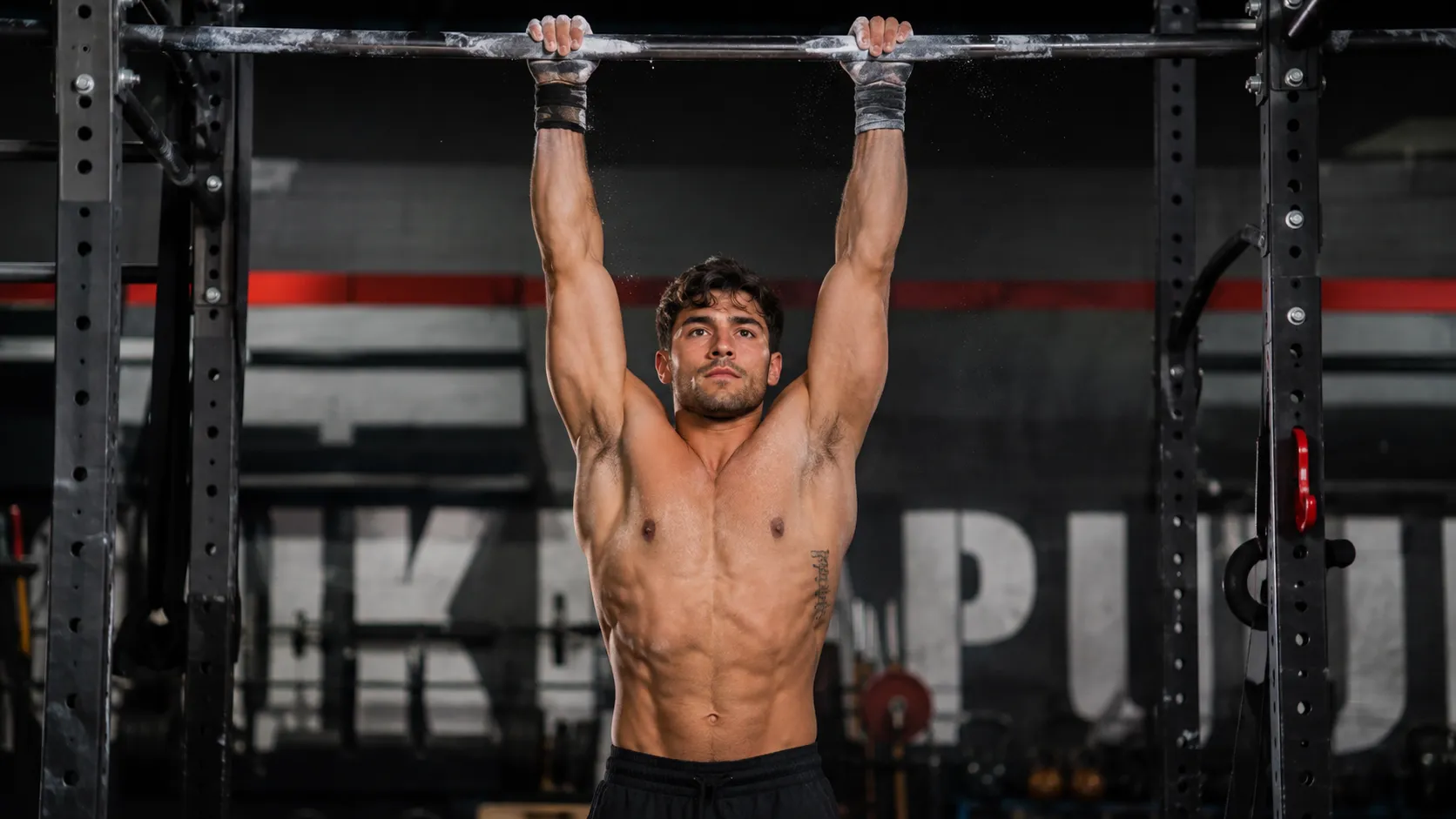
Grip strength training with a dead hang from a pull-up bar

Quick answer: Grip strength training means deliberately working your hands and forearms with exercises like dead hangs, farmer’s carries, and plate pinches, using the same progressive overload principles you’d apply to any other lift. Most people can meaningfully improve their grip in 6–8 weeks with just two focused sessions a week. You’ve probably heard someone … Ler mais

Sono Ruim e Crescimento Muscular: Por Que o Descanso Importa Mais do Que o Treinamento

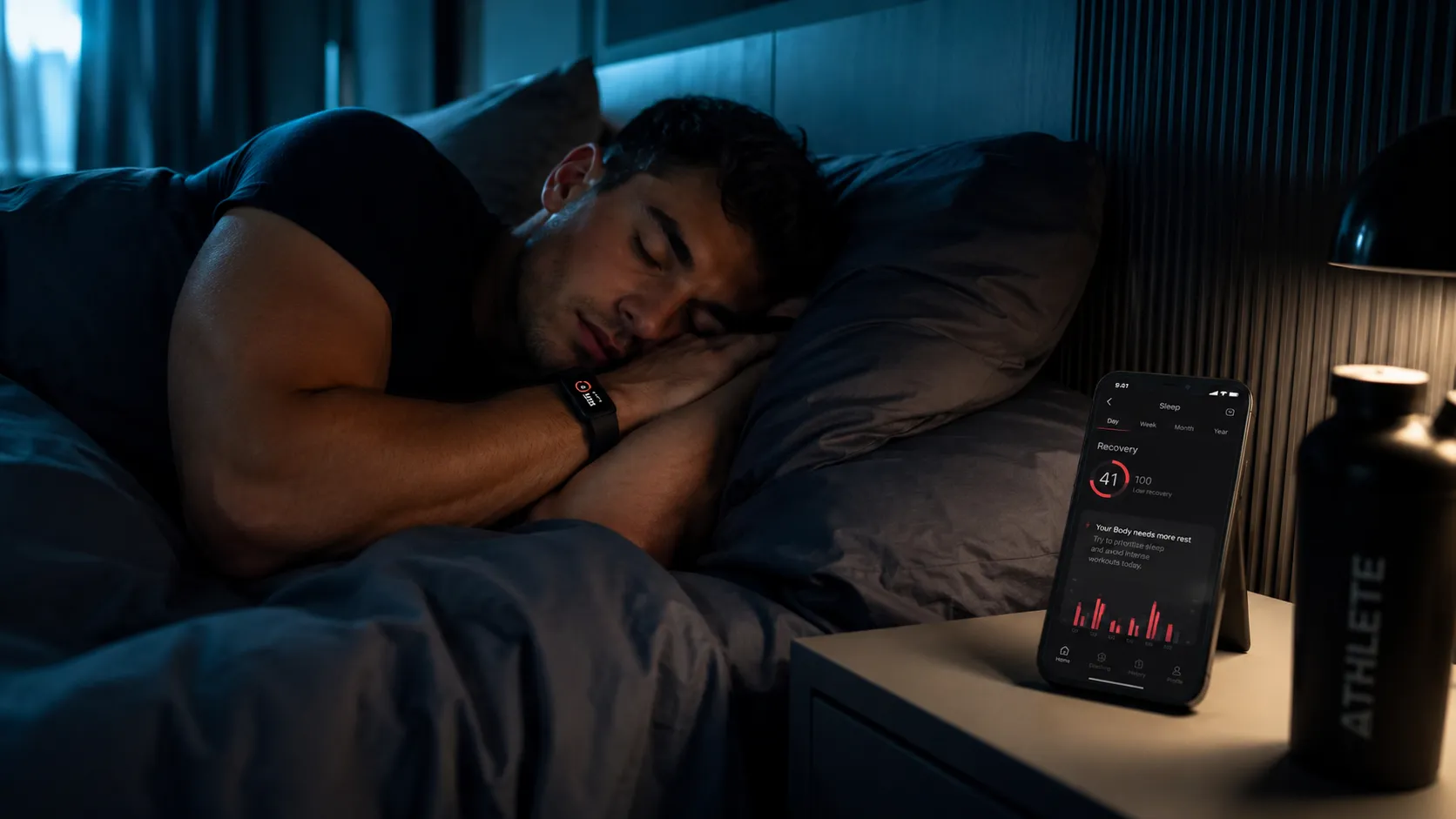
Poor sleep and muscle growth illustrated by a person sleeping with fitness tracker

Pouco sono e crescimento muscular não combinam. Descubra por que a noite mal dormida acaba silenciosamente com seus ganhos na academia e como resolver isso a partir de hoje à noite.

Erros de Sobrecarga Progressiva: 5 Sinais de que Você Está Fazendo Errado

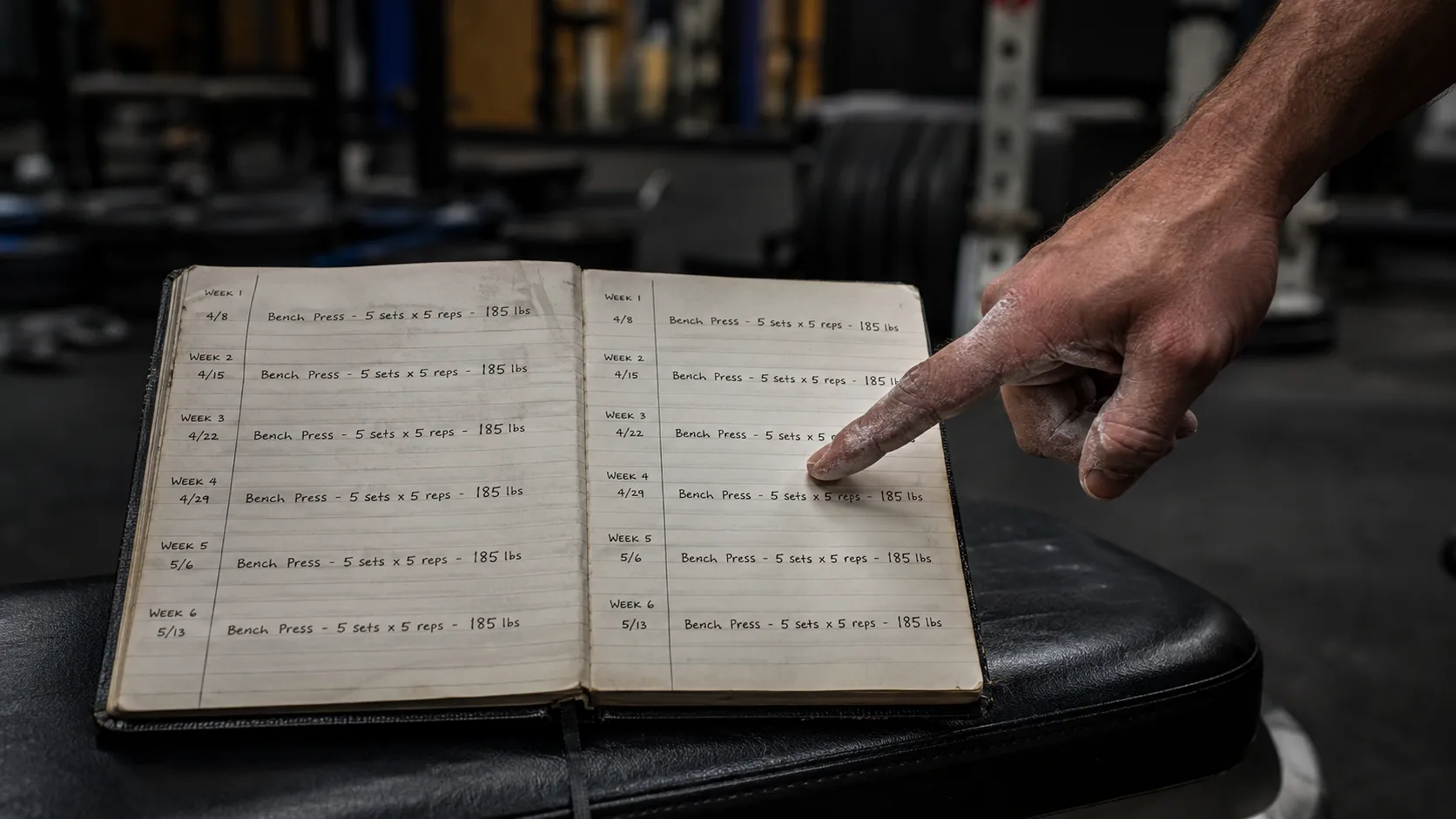
Progressive overload mistakes shown by a stalled workout log

Erros de sobrecarga progressiva podem estagnar seus ganhos silenciosamente. Aqui estão 5 sinais de que você está fazendo isso errado — e como corrigir cada um deles.

Sobrecarga Progressiva: A Única Regra Que Realmente Constrói Músculos

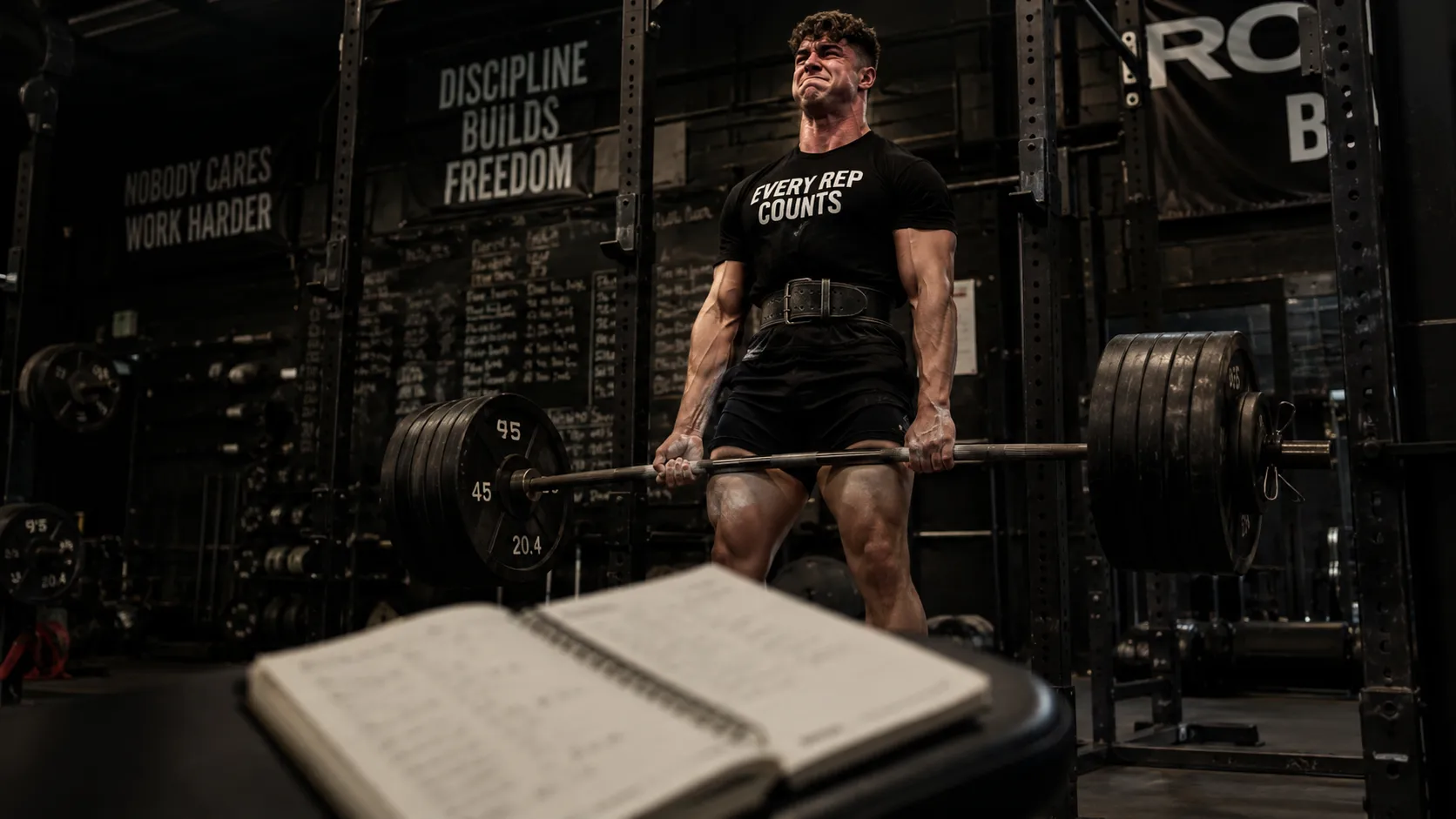
Progressive overload training with increasing barbell weight

Nota: Este artigo sobre rastreamento de desempenho na academia contém links de afiliados. Se você fizer uma compra através desses links, o The Iron Nutrition poderá receber uma pequena comissão sem nenhum custo adicional para você. Nós apenas recomendamos produtos que testamos e nos quais confiamos para ajudar a melhorar nosso desempenho. Sumário Introdução A sobrecarga progressiva é o... Ler mais

Pare de Adivinhar: 7 Maneiras de Rastrear seus Ganhos na Academia

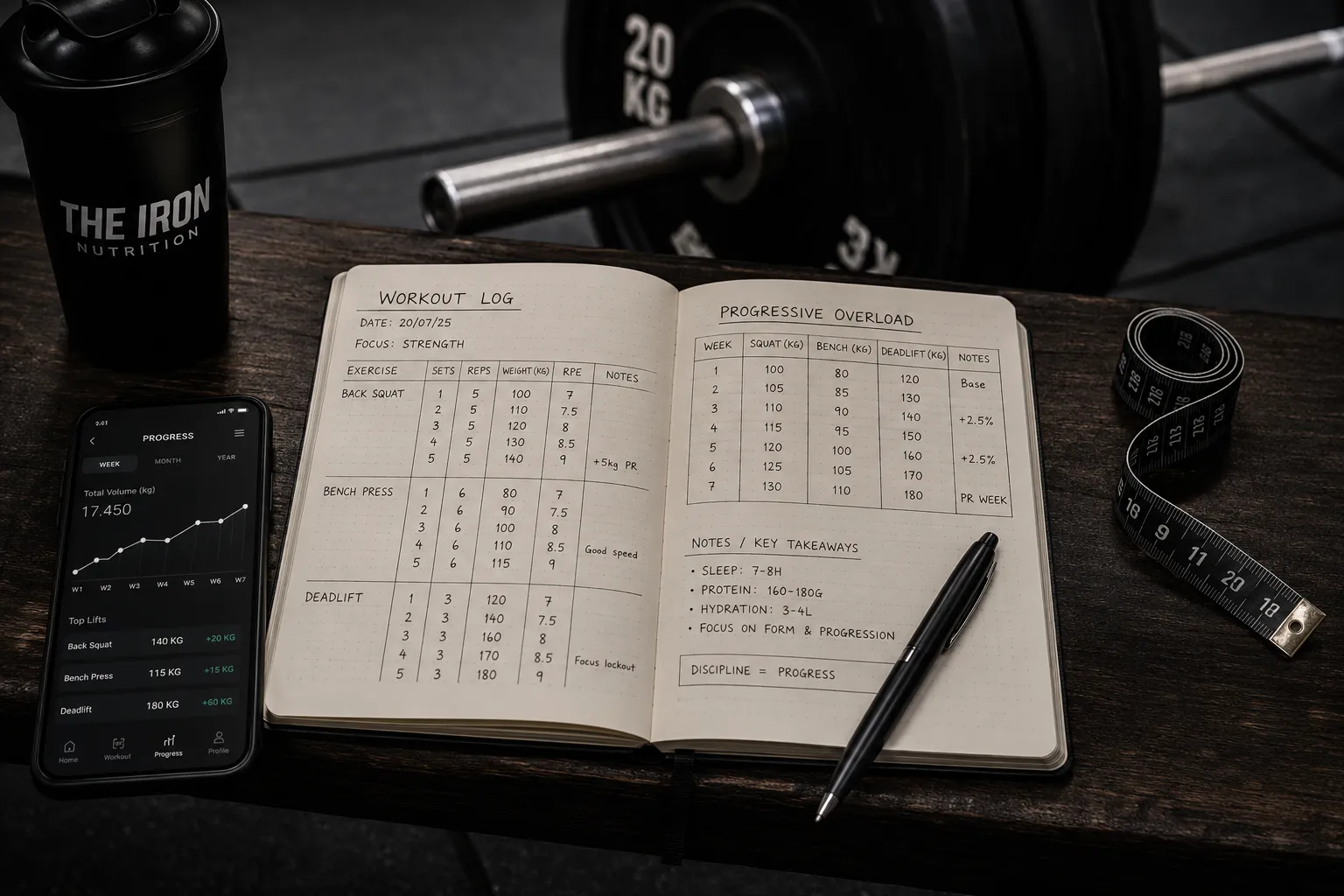
Fitness tracking gear including workout logbook, tape measure, and phone showing progress data for gym performance tracking

O acompanhamento do desempenho na academia ajuda você a ver o progresso real. Descubra 7 maneiras simples e baseadas na ciência para medir seus ganhos hoje.