How Fast You Actually Lose Strength: Track Your Strength Comeback, Not the Research Average
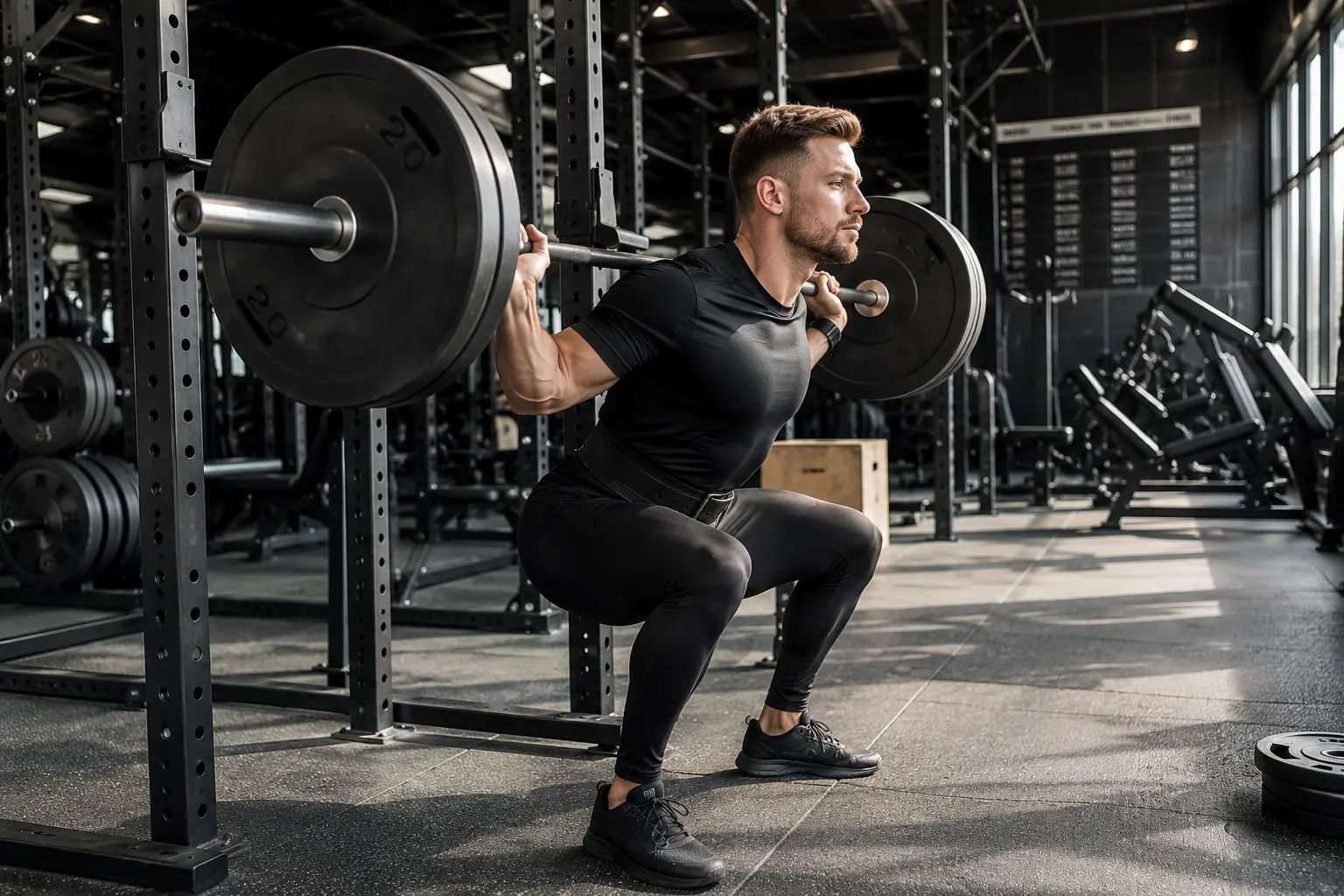
Person testing their squat to track their strength comeback after time off

Quick answer: Track your strength comeback by logging your key lifts’ weight, reps, and RPE right before a break starts, then retesting those same lifts in your first 1–2 sessions back. Research shows strength and muscle size hold up far better than most people fear — often with no significant loss for weeks or even … Ler mais

Rucking for Lifters: How to Track Progress on Your Weighted Walks

Rucking for lifters with a weighted backpack on a trail

Quick answer: Rucking for lifters means walking with a weighted backpack to build cardiovascular fitness without the muscle-interference effect that running can cause. Most lifters start with 5–10% of body weight and track pack weight, distance, and pace the same way they’d track any other lift. If you lift weights, you’ve probably avoided cardio for … Ler mais

Treino de Força de Preensão: Como Treinar e Acompanhar Como Qualquer Outro Exercício

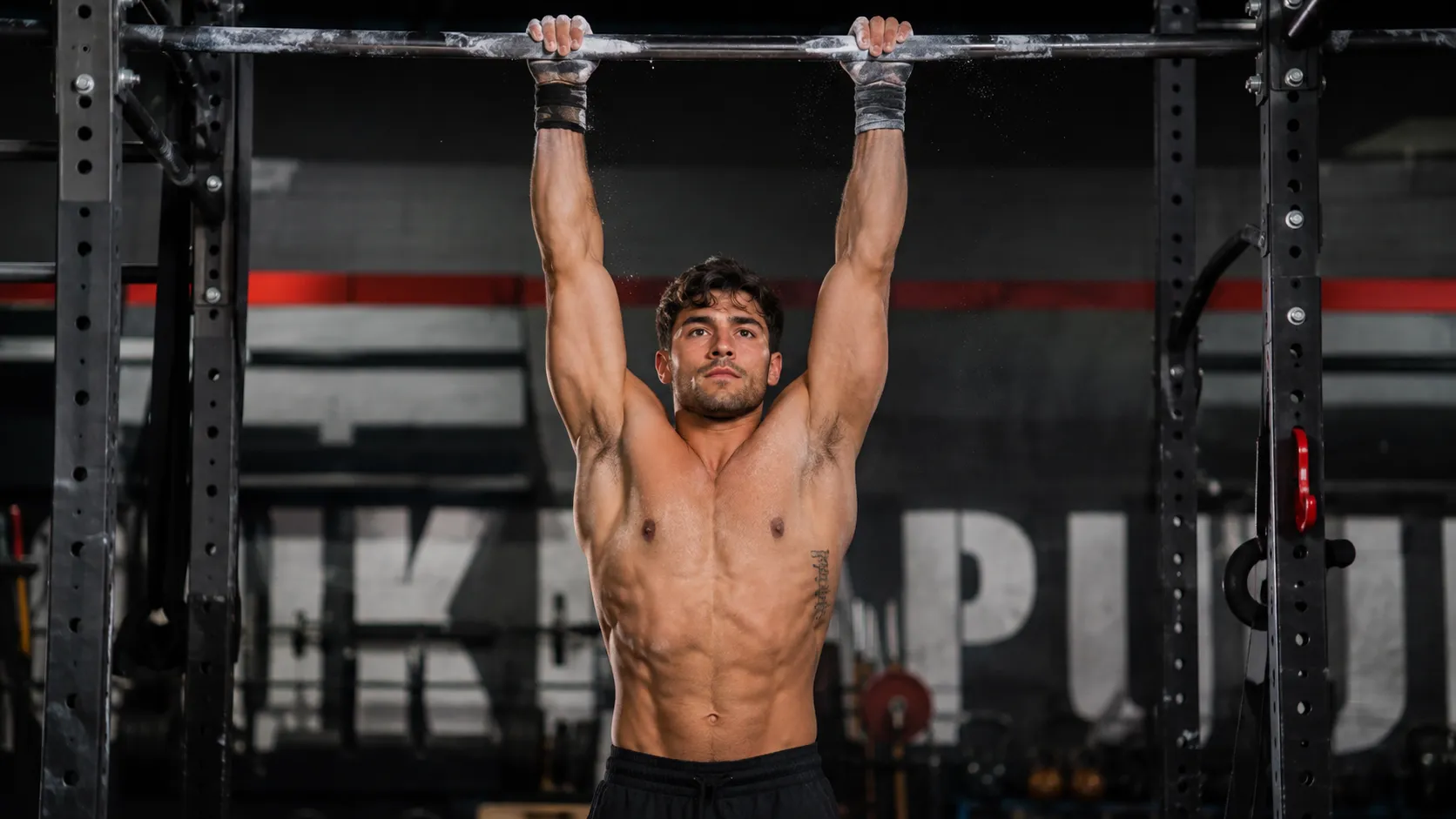
Grip strength training with a dead hang from a pull-up bar

Quick answer: Grip strength training means deliberately working your hands and forearms with exercises like dead hangs, farmer’s carries, and plate pinches, using the same progressive overload principles you’d apply to any other lift. Most people can meaningfully improve their grip in 6–8 weeks with just two focused sessions a week. You’ve probably heard someone … Ler mais