
Note: This article contains affiliate links. If you make a purchase through them, The Iron Nutrition may receive a small commission at no additional cost to you. We only recommend products that we have tested and trust to help improve our performance.
Table of Contets
Introduction
Adjust carbs effectively to supercharge your gym performance! Ever thought your meal plan might be holding you back? Many athletes face the challenge of balancing fuel for intense workouts while staying lean.
Getting good at carb adjustment for bodybuilding is key for lasting strength gains. By adjusting your carb intake, you fuel muscle growth and avoid extra fat.
This guide gives you a comprehensive approach to off-season nutrition. We’ll show you how to boost your performance and turn gym efforts into real gains. It’s time to take charge of your diet and fuel your body with precision.
Key Takeaways
- Learn to time your intake to maximize training intensity.
- Discover how to support muscle growth without excess fat gain.
- Understand the role of macronutrients in long-term strength development.
- Implement flexible strategies tailored to your specific training volume.
- Gain foundational knowledge to refine your off-season nutrition plan.
The Role of Carbohydrates in Muscle Performance
When you go to the gym, your muscles need a specific fuel to work. Carbohydrates are the main fuel for intense activities like heavy weightlifting. They help keep your glycogen stores full, giving your body the energy to build muscle hypertrophy.
Most athletes do resistance training 5–6 times a week. This means they need a steady flow of glucose to get through tough workouts. A typical session includes 4–5 exercises for each muscle group, with 3–6 sets each. This puts a lot of demand on your body.
Without enough carbs, you can’t keep up the intensity in your workouts. Good fueling is key for any successful fitness program. Here are some benefits of keeping your glycogen levels right:
- Enhanced Work Capacity: You can do more in your resistance training sessions.
- Improved Recovery: Replenishing glucose helps your energy levels bounce back after hard workouts.
- Optimized Signaling: Enough carbs support the hormones needed for muscle hypertrophy.
Your performance shows how well you manage your fuel supply. By focusing on carbs, you give your body what it needs to get stronger and adapt over time.
Strategic Ways to Adjust Carbs for Bodybuilding
Strategic carb adjustment for bodybuilding is key to overcoming performance barriers. It’s not just about hitting a daily calorie goal. You need to adjust your intake based on your workout schedule. This approach fuels your toughest workouts and aids in recovery during rest.
Breaking free from strict diets is crucial for growth. An evidence-based approach treats nutrition as a dynamic tool. It ensures your body gets the right fuel for muscle growth and recovery.
“Nutrition is not a static set of rules; it is a fluid process that must adapt to the intensity of your work in the gym.”
To effectively adjust carbs for bodybuilding, sort your training days by intensity. This aligns your fuel with your energy needs. Below is a guide to adjust your intake based on your daily activity level.
| Training Intensity | Carbohydrate Priority | Primary Goal |
|---|---|---|
| High (Leg Day) | High Intake | Maximal Performance |
| Moderate (Upper Body) | Moderate Intake | Muscle Maintenance |
| Low (Rest/Cardio) | Low Intake | Fat Oxidation |
Customizing your nutrition to your schedule boosts your metabolism. Regular carb adjustment for bodybuilding helps keep muscles full and manage body fat. Begin by logging your workouts and adjust carbs accordingly for optimal results.
Step One: Implementing Peri-Workout Carbohydrate Loading
Transforming your bodybuilding results starts with how you eat carbs around workouts. Proper peri-workout nutrition gives your muscles the fuel they need for intense training. Timing your carbs right supports better performance and quick recovery.
Timing Your Intake Around Training Sessions
To boost strength, spread out your protein intake all day. Aim for 0.40–0.55 g/kg of protein per meal to keep muscles healthy. Make sure to eat a meal 1–2 hours before and after your workout.
Eating carbs before and after helps replenish glycogen stores lost during heavy lifting. This timing gives your body what it needs to fix muscle tissue. Being consistent with this is key to good peri-workout nutrition.
Selecting the Right Glycemic Index Sources
Picking the right carbs is crucial for blood sugar control and muscle fueling. High-glycemic foods are best after workouts to help with nutrient uptake. Moderate-glycemic carbs are better before workouts for lasting energy.
Here’s a table of effective carbs for your training meals:
| Carbohydrate Source | Glycemic Index | Best Timing |
|---|---|---|
| White Rice | High | Post-Workout |
| Oatmeal | Moderate | Pre-Workout |
| Sweet Potato | Moderate | Pre-Workout |
| Dextrose/Glucose | Very High | Intra/Post-Workout |
Making smart carb choices prevents energy crashes that slow progress. Smart choices in carbs keep your performance up throughout training. Always check how your body reacts to these changes to keep your peri-workout nutrition effective for your goals.
Step Two: Utilizing Carb Cycling for Metabolic Flexibility
Carb cycling is an advanced way to adjust carbs based on your specific energy expenditure throughout the week, ensuring you never over- or under-fuel. It changes how much you eat carbs, making your body better at using different energy sources. This way, you have enough energy for hard work and keep your calorie intake balanced.

Structuring High-Carb Days for Heavy Lifting
Heavy resistance training days need lots of glycogen for peak performance. Eating more carbs on these days helps muscles contract better and recover faster. Proper fueling on tough workouts is key for growth.
- Prioritize complex carbohydrates before your training session.
- Aim for a target weight gain of 0.25–0.5% of bodyweight per week for steady progress.
- Use high-carb windows to maximize your strength output.
Managing Low-Carb Days for Fat Oxidation
Lowering carbs on rest or light days boosts fat oxidation. This helps you stay lean and gives muscles the nutrients they need. Cutting carbs when you’re not as active makes your body use fat for energy better.
Consistency is key in carb cycling. Balancing your intake keeps your metabolic flexibility without losing your hard-earned gains. Focus on long-term success, not daily weight changes.
Step Three: Adjusting Carbohydrates Based on Training Volume
Good bodybuilding nutrition means adjusting carbs based on how much you train. Your body’s energy needs change with your workout intensity. Matching your diet to your training helps keep your performance up and body shape right.
Scaling Intake for Hypertrophy Blocks
In these phases, the ability to adjust carbs effectively is what dictates whether your weight gain is lean muscle or unwanted fat.
When you’re focusing on muscle hypertrophy, your body needs lots of energy. Aim for 10–20% more calories than you need to keep up with tough workouts. This extra energy helps grow muscle and gives you the stamina for hard sets.
“Nutrition is the fuel that dictates the ceiling of your physical performance; without proper adjustment, even the best training program will eventually stall.”
— Performance Nutrition Expert
Reducing Carbohydrates During Deload Weeks
In a deload week, you train less to recover. Eating too many carbs can make you gain fat, since you’re burning less energy. Cutting back on carbs helps your body recover and stay lean.
Here’s how to adjust your carb intake for different training phases:
| Training Phase | Carbohydrate Strategy | Primary Goal |
|---|---|---|
| Hypertrophy Block | High (Surplus) | Maximize muscle hypertrophy |
| Maintenance Phase | Moderate (Isocaloric) | Weight stability |
| Deload Week | Low (Deficit/Baseline) | Recovery and fat management |
Step Four: Monitoring Glycogen Saturation and Muscle Fullness
Learning to read your body’s fuel levels can improve your training results. Achieving the right glycogen saturation is more than just numbers. It’s about how your body looks and feels after eating.
When your muscles are fueled right, they look and feel different. This signals you’re ready for intense workouts.

Visual Indicators of Proper Carb Loading
The mirror and your workouts give you instant feedback. A well-fueled muscle looks more vascular and has a solid pump during exercises. If you feel weak or your muscles don’t look hard, your energy stores might be low.
Intramuscular triglycerides help during workouts, but they’re not the main issue. Your metabolic flexibility depends more on carb intake. Watch these signs to see how you’re doing.
Adjusting Daily Totals Based on Physical Feedback
If you’re not seeing the results you want, it’s time to tweak your carb intake. Small changes can make a big difference. Use the table below to adjust your carbs based on what you see in the gym.
| Physical Sign | Potential Meaning | Recommended Action |
|---|---|---|
| Flat, soft muscles | Low glycogen stores | Increase peri-workout carbs |
| Excessive bloating | Digestive overload | Reduce fiber or total carbs |
| Strong, lasting pump | Optimal saturation | Maintain current intake |
| Rapid fatigue | Energy depletion | Improve metabolic flexibility |
Your body changes all the time, so you need to adjust too. By paying attention to these signs, you keep your peri-workout nutrition right for your workouts. This helps you keep your muscles full and grow them over time.
Step Five: Fine-Tuning Insulin Sensitivity for Nutrient Partitioning
Mastering nutrient partitioning is key to making sure your calories build muscle, not fat. It’s about how your body uses fuel. This affects your insulin sensitivity, which decides where nutrients go.
The Impact of Fiber and Micronutrients
Eating foods high in fiber helps keep blood sugar steady. It slows down carb digestion, preventing fat storage. Plus, micronutrients boost your metabolism by helping enzymes work better.
Efficient nutrient processing means your muscles stay full of glycogen. This is good for looks and performance. Eating leafy greens and whole grains helps your body work well.
[7 Essential Micronutrients for Athletes: Avoid Deficiencies].
Managing Carbohydrate Intake During Rest Days
On rest days, watch your carb intake to keep your metabolism healthy. You don’t need as much fuel, but enough for recovery. Leucine, an amino acid, is key for muscle growth during rest.
Adjusting your carb intake keeps your body responsive to insulin. This helps you use carbs better when you train. Use the table below to adjust your diet throughout the week.
| Day Type | Carbohydrate Focus | Primary Goal |
|---|---|---|
| Training Day | High Glycemic/Peri-Workout | Performance & Recovery |
| Rest Day | Low Glycemic/Fiber-Rich | Insulin Sensitivity |
| Deload Week | Moderate/Controlled | Metabolic Reset |
Common Pitfalls When Manipulating Carbohydrates
Knowing what not to eat is as important as knowing what to eat for top performance. The main goal when you adjust carbs is to sustain peak intensity while avoiding the common traps of digestive distress or energy crashes. The right carb adjustment for bodybuilding can boost strength. But, doing it wrong can set you back. Many athletes use unscientific methods that slow down their progress.
Avoiding Excessive Spikes and Crashes
Stable energy is key for steady gym performance. High-glycemic foods can cause blood sugar spikes and crashes. This messes with your insulin sensitivity, making it tough to build muscle instead of fat.
“Consistency in your nutritional approach is the foundation upon which all physical transformation is built.”
To keep your energy steady, try these tips:
- Choose complex carbs for a steady glucose release.
- Watch your energy after meals to spot blood sugar issues.
- Adjust your carbs based on your actual training volume, not guesses.
Preventing Digestive Distress During Intense Training
Pushing your limits is good for growth, but ignore your gut at your own risk. Too much fiber or heavy meals before workouts can cause bloating and discomfort. This messes with your focus and can lead to inflammation that slows recovery.
Also, watch out for signs of overtraining. Ignoring severe fatigue or stomach pain can lead to illness or injury. Finding the right balance for fat oxidation and gut health is a challenge that needs patience and self-awareness.
| Common Pitfall | Resulting Issue | Corrective Action |
|---|---|---|
| Rapid Carb Spikes | Energy Crashes | Use Low-GI Sources |
| High Fiber Pre-Workout | Digestive Distress | Time Fiber Intake |
| Ignoring Fatigue | Overtraining | Prioritize Recovery |
Integrating Advanced Nutrition Strategies into Your Routine
To get better results, you need to add advanced nutrition strategies to your daily life. This means focusing on nutrient partitioning to use calories for muscle, not fat. Being consistent helps your body thrive.
Leveraging the Iron Nutrition Content Library
Using top-notch resources can improve your nutrition plan. The Iron Nutrition content library gives you tips for muscle hypertrophy and better metabolic flexibility. These tools help you make smart food choices every day.
With this knowledge, you can adjust your macros with confidence. Knowing how food affects your energy lets you control your growth. This is key for overcoming plateaus and increasing strength.
Tracking Progress for Long-Term Strength Gains
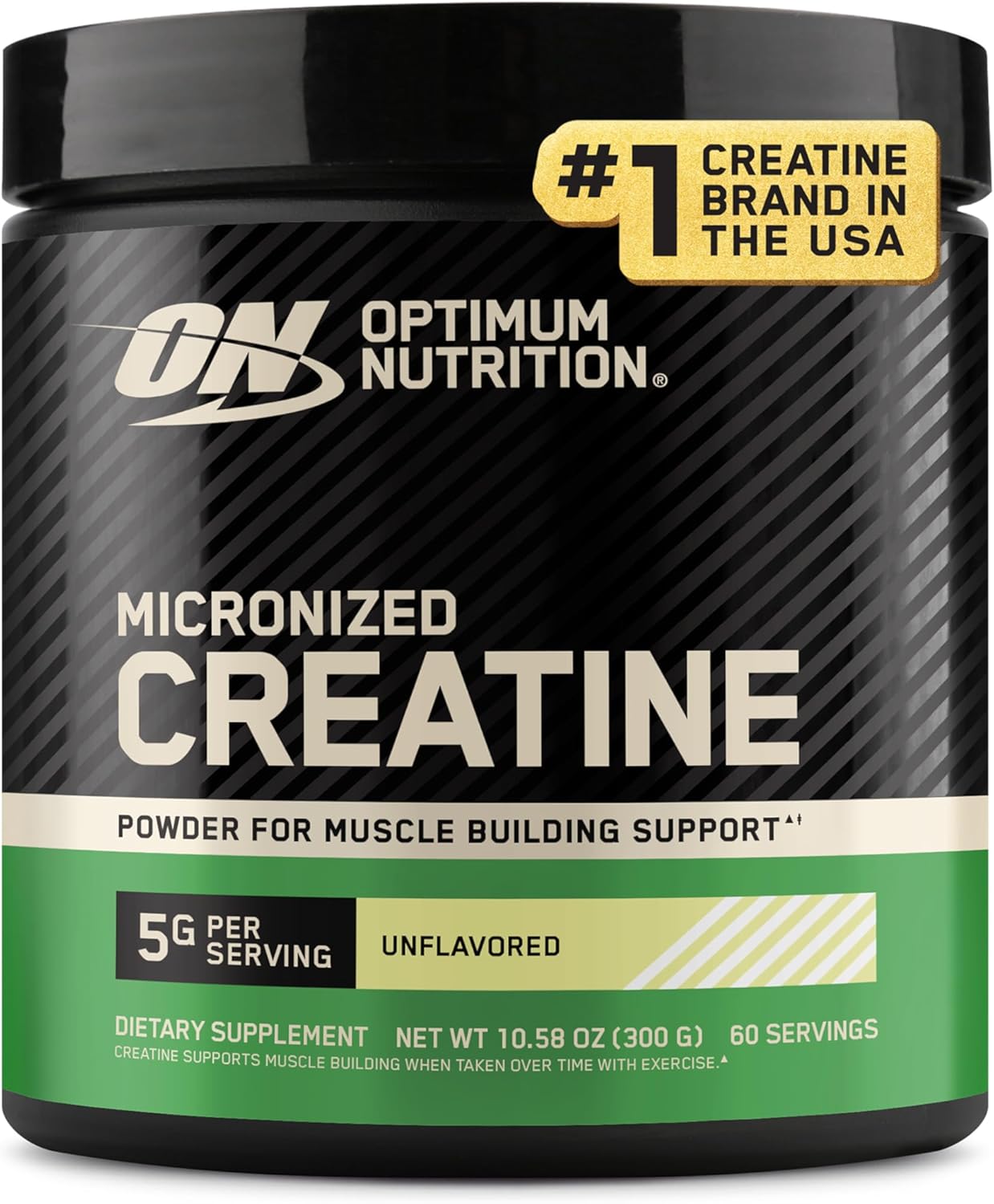
Tracking your progress is crucial for success. By logging your daily intake and how your body reacts, you can see the effects of nutritional changes. For example, adding 3–5 grams of creatine monohydrate daily can boost your strength.
Keeping track helps you stay on course for your body goals. Use the table below to monitor important metrics that affect your success.
| Metric | Primary Goal | Frequency | Expected Outcome |
|---|---|---|---|
| Daily Macros | Nutrient Partitioning | Every Meal | Improved Recovery |
| Creatine Intake | Ergogenic Support | Daily | Increased Power |
| Body Weight | Hypertrophy Tracking | Weekly | Steady Growth |
| Training Volume | Metabolic Flexibility | Per Session | Strength Gains |
Your health journey is a continuous process. Staying true to your routine and adjusting based on data leads to lasting success in fitness.
Building a Stronger Training Community
True strength comes from a dedicated training community. Being around athletes who think like you helps you stay on track. A supportive group lets everyone grow and reach their goals.
Sharing Your Success with Workout Buddies
Did these tips help you lift better? If yes, share this guide with your workout friends. Helping them improve their nutrition can make your whole group better.
Helping others get better keeps you motivated too. This support makes sure everyone stays focused on their goals. Helping others succeed strengthens your gym bond.
Collaborative Learning for Better Results
Learning together helps everyone in your group. Talking about your training volume can prevent mistakes. Sharing peri-workout nutrition tips can also improve recovery for all.
Discussing how to boost insulin sensitivity through diet is also beneficial. Working together means you get more ideas. This leads to smarter, more effective training for everyone.
Conclusion
Changing how you eat carbs can really help your body during tough workouts. You now know how to control your glycogen levels for better power.
Good nutrient partitioning means your food helps grow muscles, not just store fat. By balancing what you eat, you can burn fat better when you’re resting.
Your health journey is always evolving. Sticking to a routine helps you get stronger and more enduring over time.
Check out the Iron Nutrition content library for more tips on fueling for hard workouts. Start using these tips today and see how they improve your results.
FAQ
What is the most effective way to adjust carbs for bodybuilding?
Start by finding your baseline caloric needs. Then, adjust your carb intake based on your training volume. Choose complex carbs like brown rice and sweet potatoes for steady glucose release.
How do I know if I need more carbs for muscle protein synthesis?
If you’re sore for a long time, lack muscle pump, or see a strength plateau, you might need more carbs. Increasing intake before and after workouts can help with muscle growth and recovery.
Can carb cycling help me lose fat without losing muscle?
Yes, carb cycling is great for losing fat while keeping muscle. Use high-carb days for intense workouts and low-carb days for fat burning. This keeps your metabolism flexible and protects lean mass.
What are the best carbohydrate sources to avoid digestive distress?
Choose easy-to-digest, gluten-free carbs like white rice, cream of rice, or potatoes. Avoiding too much fiber or artificial sweeteners before intense workouts keeps your energy stable without bloating.
How does insulin sensitivity affect my bodybuilding goals?
Insulin sensitivity affects how your body uses nutrients. High sensitivity means carbs go to muscle for glycogen, not fat. Improve it by managing your macronutrients and staying active on rest days.
Should my carb adjustment for bodybuilding change during a deload week?
Yes, definitely. During a deload, your body needs less glucose. Reducing carbs prevents fat gain and helps your insulin receptors “reset” for the next intense training block.