Introduction
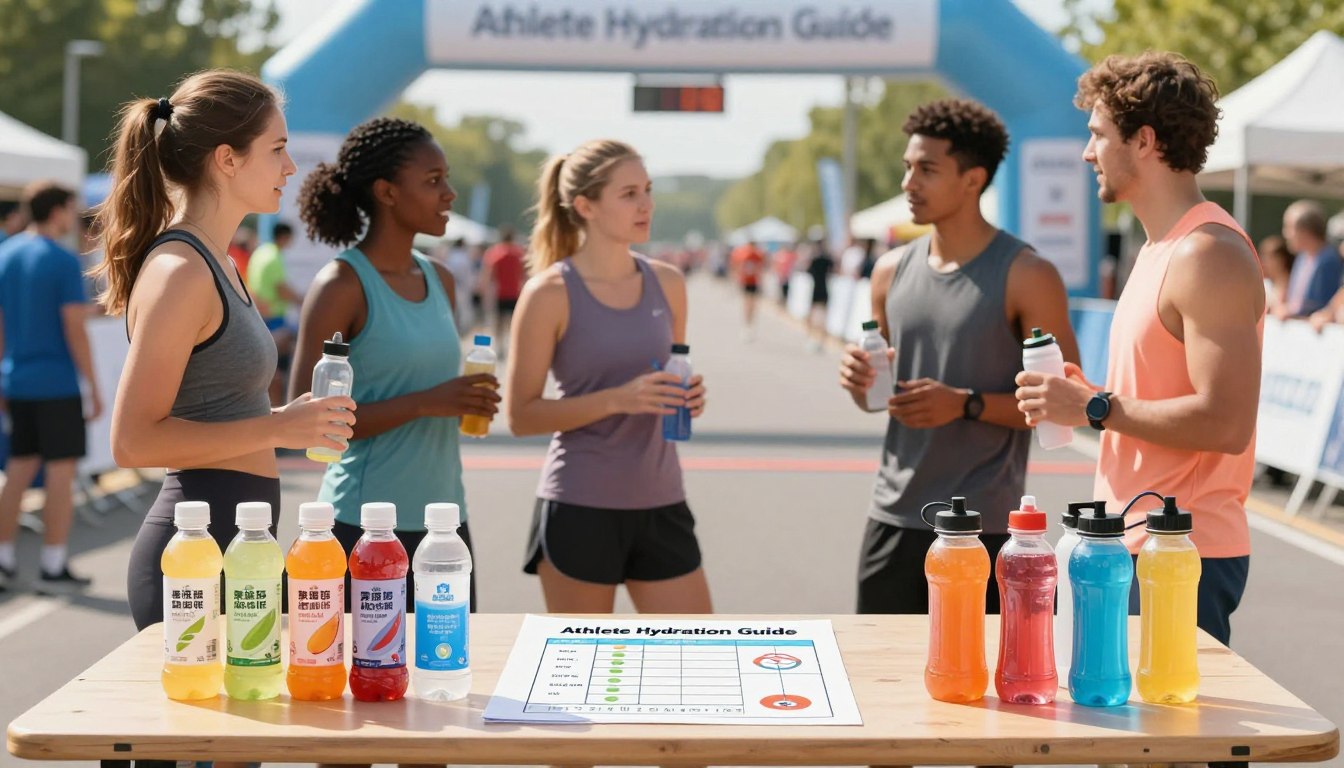
Keeping your body’s fluid balance right is key to reaching your best. When you’re pushing hard, your body needs the right amount of water to work well. This athlete hydration guide is your guide through the world of staying hydrated.
Knowing what your body needs is the first step to lasting energy in training and races. This comprehensive Athlete Hydration Guide explores how these factors affect your performance and fluid requirements.
Winning in sports often starts with good planning. Using the right race-day strategies keeps you energized all the way through. Since everyone’s body is different, finding what works for you is crucial. Let’s explore how to stay fueled and ready for your next big event.
Key Takeaways
- Proper fluid balance is critical for maintaining high-intensity performance.
- Personalization is key because every individual has unique sweat rates.
- Electrolytes play a vital role in preventing muscle cramps and fatigue.
- Effective planning helps you avoid the dangers of dehydration during events.
- Smart preparation allows you to sustain energy levels throughout your competition.
Having a clear plan is essential, which is why this Athlete Hydration Guide breaks down the science of fluid loss into actionable steps.
Understanding the Physiology of Sweat and Fluid Loss
Your body is like a high-performance engine that needs cooling to keep running. When you exercise, your muscles make a lot of heat. To avoid overheating, your body cools itself down through sweat.
Understanding these physiological changes is the primary goal of this Athlete Hydration Guide, ensuring you manage heat stress effectively.
Why Your Body Needs Water During Exercise
Water helps cool you down. As you get hotter, your brain tells your sweat glands to work. This makes sweat evaporate, cooling your body.
Without enough water, cooling down is hard. You might get a fast heart rate and feel weaker. Staying hydrated keeps your blood flowing well to cool you down.
Factors That Influence Your Individual Sweat Rate
Everyone has a unique sweat rate that changes with exercise and the weather. Some lose a lot of fluid, while others lose less. Knowing your needs is key for good performance.
Environmental Conditions and Humidity
The weather affects how well you cool down. In humid air, sweat doesn’t evaporate fast. This makes your body sweat more, leading to dehydration.
Genetic Predisposition and Fitness Level
Your genes also play a part in your sweat rate. Some people start sweating more easily. As you get fitter, your body learns to cool down faster during hard workouts.
| Factor | Impact on Fluid Loss | Primary Mechanism |
|---|---|---|
| High Humidity | Increased | Reduced Evaporation |
| High Intensity | Increased | Metabolic Heat |
| Genetic Profile | Variable | Gland Density |
| Fitness Level | Increased | Early Activation |
By watching these factors, you can guess how much water you need. Knowing your sweat rate helps you stay hydrated and perform better.
Calculating Your Personal Fluid Needs
Before diving into complex formulas, remember that the core principle of this Athlete Hydration Guide is personalization based on your unique training volume.
Getting precise with your training starts with measuring your fluid loss. Every athlete is different, so generic advice doesn’t always fit. By setting clear fluid targets, you can stay at your best and avoid dehydration or over-hydration.
The Sweat Test Method for Precision
The best way to figure out your needs is a simple sweat test. First, weigh yourself naked before a workout. Then, do your usual exercise and weigh yourself again right after drying off.
The weight difference, plus any fluids you drank, shows how much you sweated. This gives you a starting point for your fluid targets during similar workouts. Doing this test in different temperatures helps you get ready for different race conditions.
To accurately measure your physiological performance, consider taking validated tests at reference centers such as the Synlab.
Monitoring Urine Color and Body Weight Fluctuations
Your body gives you daily clues through urine color and weight changes. Checking your urine color is an easy and effective way to see if you’re hydrated. It should be like pale straw or lemonade.
If your urine is dark or concentrated, you need more fluids. Also, watching your morning weight can show if you’re dehydrated. If your weight drops a lot without losing fat, you might need to drink more.
Adjusting Intake Based on Exercise Intensity
Your fluid targets change with your workout intensity and the weather. Hard workouts or long races make you sweat more. So, you need to drink more to keep up with your sweat loss.
| Indicator | Status | Recommended Action |
|---|---|---|
| Urine Color | Dark/Amber | Increase water intake immediately |
| Body Weight | Significant post-run drop | Adjust fluid targets upward |
| Thirst Level | Strong/Persistent | Consume fluids with electrolytes |
| Exercise Intensity | High/Heat | Increase frequency of intake |
Remember, the weather and humidity affect how much you sweat. Stay ahead by adjusting your fluid intake before you get thirsty. Regular checks help you fine-tune your hydration for every workout.
The Role of Electrolytes in Performance
As highlighted in this Athlete Hydration Guide, electrolytes act as the essential conductors for your muscle function and nerve signaling.
Electrolytes are like conductors in your body’s orchestra, making sure muscles work right. Water is great for cooling, but it doesn’t have the minerals for peak performance in long workouts. Without these minerals, your body can’t send the right signals for movement.
Sodium: The Primary Electrolyte for Athletes
Sodium is key because you lose it through sweat. It helps your body keep water, not just lose it. Keeping sodium levels right helps your muscles work well.
“Sodium is the gatekeeper of hydration; without it, your body cannot effectively utilize the fluids you drink to maintain blood volume and cellular function.”
Potassium, Magnesium, and Calcium Functions
Your body needs more than sodium to perform well. Each mineral has its own job in athletic performance and recovery:
- Potassium: Helps balance fluids and nerve signals inside cells.
- Magnesium: Helps muscles relax and recover after hard work.
- Calcium: Triggers muscle contractions, making your muscles move fast.
For more scientific details on electrolyte guidelines and their impact on athletic performance, see the International Society of Sports Nutrition (ISSN).
Identifying Signs of Electrolyte Imbalance
Knowing when your minerals are low is crucial for athletes. Ignoring these signs can hurt your performance or cause health issues. Watch for these signs during workouts:
- Persistent muscle cramping or involuntary twitching.
- A feeling of lightheadedness or unexplained brain fog.
- Nausea or a bloated sensation in your stomach.
- Excessive fatigue that does not match your current intensity level.
If you see these signs, change your nutrition plan right away. A good electrolyte supplement can help. Always listen to your body, as it knows what you need.
Selecting the Right Hydration Products
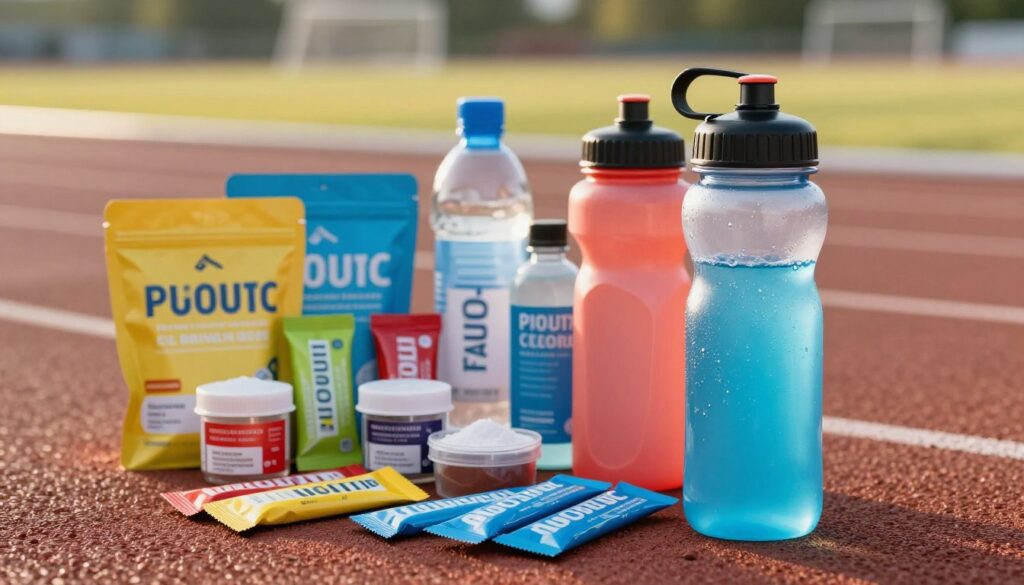
Choosing the right sports drinks is key to fueling your body right. The market is full of hydration products, but knowing the science behind them makes choosing easier. Use this Athlete Hydration Guide to evaluate the science behind different products on the market.
Comparing Isotonic, Hypertonic, and Hypotonic Drinks
The type of drink you choose depends on how fast it gets absorbed. These three types are for different activities and intensities.
- Isotonic: These have the same salt and sugar levels as your blood. They’re great for quick fluid replacement during moderate exercise.
- Hypotonic: With fewer particles, they absorb the fastest. They’re best for athletes needing quick hydration without extra carbs.
- Hypertonic: More concentrated than blood, they’re for recovery or long events. They give a big energy boost.
Evaluating Sugar Content and Carbohydrate Ratios
The sugar in your drink affects how fast it leaves your stomach. Too much sugar can cause stomach issues during intense workouts.
Good sports drinks mix glucose and fructose well. This lets your body use carbs efficiently. Always check the label to make sure it’s between 6% to 8% carbs for best performance.
Natural Alternatives vs. Commercial Sports Drinks
Some people wonder if they should use commercial drinks or natural ones like coconut water. Commercial drinks have the right mix of electrolytes, hard to match at home.
Natural options are good for short workouts or if you avoid artificial stuff. But, the most important thing is how your body feels. Listen to your body and try new things during training, not on race day.
Developing Your Pre-Race Hydration Strategy
[Before you focus solely on hydration, make sure your overall nutritional foundation is solid by reading our Pre-Workout Nutrition Guide].
Getting your hydration right before a race can make a big difference. Good pre-hydration means your body is ready to go. It helps you perform better and last longer.
The Importance of Pre-Hydration Windows
The pre-hydration window is when you fill up your fluids. It’s not about drinking a lot at once. It’s about keeping your fluids steady. Being well-hydrated helps your heart work better under stress.
Managing Fluid Intake in the 24 Hours Before Competition
In the 24 hours before your race, drink water regularly but not too much. Try to keep your urine light. Don’t drink too much water at once to avoid bathroom trips and sleep issues.
Here’s a table to check if you’re hydrated:
| Indicator | Well-Hydrated | Dehydrated |
|---|---|---|
| Urine Color | Pale Straw | Dark Amber |
| Thirst Level | Minimal | Strong/Persistent |
| Body Weight | Stable | Rapid Decrease |
Avoiding Over-Hydration and Hyponatremia Risks
It’s key to not drink too much water. Drinking too much can lower your blood sodium levels. This can cause hyponatremia, leading to nausea, confusion, and serious health issues.
Make sure to balance your water with electrolytes. Listen to your body’s thirst signals. By doing this, you stay healthy and reach your race goals.
Executing Your Hydration Plan During the Race
When you’re in the heat of competition, implementing the practical strategies from this Athlete Hydration Guide will help you keep up your pace.
Establishing a Consistent Drinking Schedule
Don’t wait to drink until you feel thirsty. By then, you might already be behind on hydration. Instead, follow a consistent schedule based on time or distance.
Try to sip small amounts every fifteen to twenty minutes. This helps your stomach handle the liquid better and avoids discomfort. Staying consistent is crucial for long-term performance.
Utilizing Aid Stations Effectively
Aid stations can be chaotic, but preparation helps. Practice grabbing drinks during training runs to avoid losing speed. Know the course well to plan which stations to use for refills.
“Success is where preparation and opportunity meet.” — Bobby Unser
Look up as you approach the table to find your drink. If it’s crowded, go to the end of the line. This saves time and keeps your pace steady.
Adjusting for Unexpected Weather Changes
Weather can change suddenly, affecting your body. If it gets hotter or more humid, drink more water and sodium. Higher temperatures make you sweat faster, losing electrolytes.
If your clothes get heavy with salt or your heart rate goes up, adjust your intake. More sodium helps your body keep fluids. Being flexible with your fluid targets keeps you safe and competitive, no matter the weather.
Post-Race Recovery and Rehydration Protocols
Effective recovery is a critical component of any comprehensive Athlete Hydration Guide, focusing on restoring both fluid balance and muscle integrity.
Crossing the finish line is just the start of your journey. Your body needs special nutrients to start the repair process after the race. Focusing on recovery helps you get back to training quickly.
Replacing Fluid Deficits After the Finish Line
You likely lost a lot of fluid during the race. To get back to normal, drink 16 to 24 ounces of fluid for every pound lost. Don’t drink too much at once, as your stomach might not like it.
- Sip fluids consistently over the first two hours post-race.
- Include sodium in your drinks to help retain the water you consume.
- Avoid alcohol immediately after finishing, as it can delay your rehydration efforts.
The Importance of Pairing Fluids with Protein and Carbs
Rehydration is just part of the recovery. You also need carbs and protein. Carbs help refill glycogen stores, and protein fixes muscle damage.
Here’s what you should eat or drink after the race:
| Nutrient Type | Purpose | Recommended Source |
|---|---|---|
| Carbohydrates | Glycogen Refill | Fruit, Rice, or Sports Drinks |
| Protein | Muscle Repair | Whey, Soy, or Lean Meat |
| Electrolytes | Fluid Balance | Quality Hydration products |
Monitoring Recovery Through Weight Normalization
Watching your body weight is a simple way to check if you’re hydrated. Weigh yourself before and after the race to see how much fluid you lost. Try to get back to your pre-race weight in 24 hours by drinking the right amount.
If you’re still underweight after 24 hours, you’re dehydrated. If you gain weight too fast, you’re drinking too much. Use these signs to adjust your hydration products and keep your body in top shape.
Common Hydration Mistakes to Avoid
Even if you think you know how to stay hydrated, small mistakes can cause big problems. Athletes often make errors that affect their performance and comfort. Spotting these mistakes early can help keep you healthy and reach your goals.
To stay on track and avoid common pitfalls, keep the principles of this Athlete Hydration Guide in mind before your next high-intensity session
Relying Solely on Thirst Cues
Many believe drinking only when thirsty is best. But, thirst is a lagging indicator of fluid loss. By then, you might already be dehydrated.
During intense activities, your body’s thirst might not match your fluid needs. Proactive hydration is safer for long events. A structured plan keeps you balanced before you feel thirsty.
Over-Consuming Plain Water Without Electrolytes
Drinking too much plain water can be harmful. Without electrolytes, it can dilute your blood sodium levels. This is called hyponatremia and can be serious.
Your body needs minerals to work right during exercise. When you sweat, you lose more than water. Adding electrolytes to your drinks helps your body use water better and avoids imbalances.
Ignoring Gastrointestinal Comfort During Training
Don’t try new hydration strategies on race day. Your stomach needs time to adjust to different sports drinks and supplements. Ignoring your stomach during training can lead to trouble.
Use training to test which drinks work best for you. If you feel bloated or crampy, change what you’re drinking. Consistency and testing help keep your stomach happy while you challenge yourself.
Advanced Athlete Hydration Guide Techniques
To improve your performance, you need more than just basic hydration. When you’re pushing hard, a scientific approach to fluid balance is key. This athlete hydration guide shares advanced strategies to help you stand out.
Heat Acclimatization Strategies
Training in warm environments helps your body adapt. It makes you sweat more efficiently and keeps your body cool. This is crucial for intense workouts.
Adapting to heat increases your plasma volume. This lets you sweat more without losing energy. It’s vital for athletes gearing up for summer.
Using Sweat Patches and Wearable Technology
Today’s tech lets you track fluid loss in real-time. Sweat patches analyze your sweat to show what you’re losing. They give detailed info on sodium and volume.
Wearable devices track your heart rate and skin temperature. This data helps you understand your hydration needs. It makes your training sessions more effective.
Customizing Plans for Ultra-Endurance Events
Ultra-endurance events are tough and need a flexible plan. Your needs change as the race goes on. You must adapt to weather and intensity changes.
The table below shows tools for monitoring hydration during long races:
| Monitoring Tool | Primary Benefit | Data Accuracy |
|---|---|---|
| Sweat Patches | Sodium loss analysis | High |
| Smart Watches | Heart rate tracking | Moderate |
| Body Weight Scales | Total fluid deficit | Very High |
| Hydration Apps | Schedule reminders | Moderate |
Troubleshooting Hydration Issues on the Go
Knowing how to check your body’s state in real-time is key for athletes. Even with a good pre-hydration plan, surprises can happen during an event. Stay calm and act fast to handle these issues before they get worse.
Managing Cramping and Muscle Fatigue
Muscle cramps mean your electrolyte balance is off or you’re pushing too hard. If you feel a sudden tightness, slow down to let your body recover. Drinking more sodium-rich fluids can help quickly.
Here are some tips to fight fatigue:
- Match your electrolyte intake to your sweat rate.
- Use rhythmic breathing to keep muscles oxygenated.
- Avoid sudden intensity changes to prevent more spasms.
Addressing Nausea and Stomach Distress
Stomach issues can hurt your recovery and performance. If you’re feeling sick, stop eating gels or heavy drinks for a bit. Drink small amounts of water or diluted electrolyte solution to calm your stomach.
Listen to your body and focus on feeling better than going fast. Once your stomach feels better, start eating again to keep your energy up. Eating regularly helps avoid stomach problems.
Recognizing Early Warning Signs of Dehydration
Spotting early signs of dehydration is crucial for your safety and success. Look out for a dry mouth, headache, or feeling dizzy. These signs mean you need to drink more water right away.
Don’t wait for symptoms to get worse before acting. If you’re not feeling your best, find an aid station and cool down. Being proactive helps you finish strong.
Conclusion
Your journey to peak physical performance starts with small daily habits, and following this Athlete Hydration Guide is the first step.
Following this Athlete Hydration Guide is the first step toward ensuring your body gets the support it needs under extreme conditions. Remember: athletic success depends on consistency, and this Athlete Hydration Guide is designed to be your go-to daily reference tool.
This guide helps you avoid dehydration and support your body during training. Building consistent habits is key to long-term success and better athletic results.
Brands like Gatorade or LMNT can help track your progress. But your body is the best guide. Listen to it and watch how you do in tough workouts.
Keeping up with fluid loss boosts your energy and muscle function. Now, you know how to stay safe from dehydration. This is crucial in hot weather or long races.
Apply these tips in your next training session. See how small changes can make a big difference. We wish you to stay hydrated, healthy, and ready for your next challenge.
FAQ
Why is a personalized athlete hydration guide more effective than a general recommendation?
How do I accurately calculate my hourly fluid needs for a race?
Can I just drink plain water during a marathon or long-distance triathlon?
What is the difference between isotonic, hypotonic, and hypertonic drinks?
Why shouldn’t I rely solely on thirst cues during intense exercise?
What are the early warning signs of an electrolyte imbalance?
How can I use wearable technology to improve my hydration strategy?
What is the best way to rehydrate after a grueling race?
Published by The Iron Nutrition | Category: Nutrition Guides | Last Updated: July 2026
Did you find this Athlete Hydration Guide helpful? Share it with your training group and explore the full Iron Nutrition content library.