
Índice
Introdução
Whether you are a competitive triathlete, a powerlifter, or a dedicated weekend warrior, plant-based athlete nutrition is one of the most consequential and rapidly evolving topics in modern sports science. A growing body of peer-reviewed research confirms that a well-structured, whole-food, plant-based diet can match — and in several key areas actively surpass — the performance outcomes of conventional omnivorous diets.
The advantages are compelling: reduced systemic inflammation, superior cardiovascular efficiency, accelerated recovery, and long-term health protection. The challenge is equally real: without intentional planning, a plant-based diet can fall short on specific proteins, vitamins, and minerals that athletes require in higher quantities than the general population.
This definitive guide from The Iron Nutrition gives you every evidence-based tool you need. From mastering your macronutrient ratios to pinpointing the most bioavailable plant proteins, consider this your complete playbook for building strength, endurance, and resilience — entirely from plants.
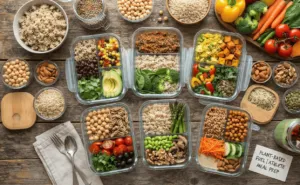
Why Plant-Based Athlete Nutrition Is the Future of Sports Performance
Elite sport is shifting. World-class competitors across cycling, combat sports, ultramarathon running, and NFL football have publicly transitioned to plant-based diets — and the science is accelerating to match their results.
A landmark review published in the Journal of the International Society of Sports Nutrition found that plant-based diets are not inherently inferior for muscle protein synthesis, provided that total daily protein intake and leucine thresholds are adequately managed.
The evidence-backed performance advantages of a dedicated plant-based athlete nutrition approach include:
- Reduced systemic inflammation — higher dietary antioxidant and phytonutrient intake lowers C-reactive protein and exercise-induced oxidative stress
- Improved haematological markers — lower blood viscosity and improved microvascular function enhance oxygen delivery to working muscles
- Enhanced muscle glycogen storage — high-carbohydrate, fibre-rich plant foods sustain training intensity across multiple sessions per week
- Faster soft-tissue recovery — polyphenols from berries, cherries, and dark leafy greens actively suppress post-exercise muscle damage markers
The essential caveat: a plant-based diet is not automatically a performance diet. Strategic planning is the difference between thriving and underperforming.
Macronutrients: The Foundation of Plant-Based Athlete Nutrition Fuelling
Carbohydrates: Your Primary Performance Fuel
For plant-based athletes, carbohydrates are the cornerstone of every training and competition nutrition strategy. Whole grains, legumes, fruits, root vegetables, and starchy tubers provide the sustained glucose supply that powers both aerobic and anaerobic exercise at high intensity.
Athlete TypeCarbohydrate IntakeEndurance (e.g., cycling, running)6–10 g per kg of bodyweightStrength & power (e.g., lifting, sprinting)4–7 g per kg of bodyweightGeneral fitness and recreational3–5 g per kg of bodyweight
Recommended daily carbohydrate targets by sport type:
| Athlete Type | Carbohydrate Intake |
| Endurance (e.g., cycling, running) | 6–10 g per kg of bodyweight |
| Strength & power (e.g., lifting, sprinting) | 4–7 g per kg of bodyweight |
| General fitness and recreational | 3–5 g per kg of bodyweight |
Prioritise low-glycaemic index sources — oats, quinoa, sweet potatoes, lentils, and chickpeas — as your daily foundation. Reserve higher-glycaemic options such as rice cakes, Medjool dates, and ripe bananas for the immediate pre- and post-workout windows where rapid glucose availability is the priority.
Protein: Meeting Athletic Demands on a Plant-Based Diet
Protein is the most closely scrutinised macronutrient in plant-based athlete nutrition — and justifiably so. Most plant proteins are incomplete (meaning they lack one or more of the nine essential amino acids), and they typically demonstrate lower leucine density and digestibility scores compared to animal-derived proteins.
Evidence-based protein targets for plant-based athletes nutrition:
- Hypertrophy and strength focus: 1.6–2.2 g per kg of bodyweight per day
- Endurance and mixed-sport athletes: 1.4–1.7 g per kg per day
- Masters athletes (40+): Up to 2.4 g per kg per day, to counteract age-related anabolic resistance
A critical practical adjustment: increase total daily protein intake by approximately 10–15% above standard guidelines when following a plant-based diet, to compensate for lower digestibility. Distributing protein across five to six eating occasions — each delivering 25–40 g — maximises muscle protein synthesis throughout the day.
Healthy Fats: Supporting Recovery and Hormonal Health
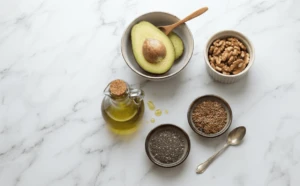
Dietary fat is essential for anabolic hormone production, joint lubrication, and absorption of the fat-soluble vitamins A, D, E, and K. Plant-based fat sources — avocados, walnuts, almonds, pumpkin seeds, flaxseeds, and cold-pressed olive oil — provide predominantly unsaturated fatty acids that support cardiovascular health and actively reduce exercise-induced inflammation.
Target fat intake: 20–35% of total daily caloric intake, with a strong emphasis on mono- and polyunsaturated sources, and a conscious effort to manage omega-6 to omega-3 ratios.
Critical Micronutrients for Plant-Based Athletes
Micronutrient adequacy is where plant-based athlete nutrition demands the greatest strategic attention. Several vitamins and minerals are either absent from unfortified plant foods, or present in forms with significantly reduced bioavailability compared to animal sources.
Iron, Calcium, and Vitamin D
Iron is indispensable for oxygen transport, cellular energy metabolism, and immune function. Plant foods contain non-haem iron, which is considerably less bioavailable than haem iron from animal sources. The solution is twofold: consume iron-rich plants (lentils, tofu, spinach, fortified cereals, pumpkin seeds, tempeh) consistently, and always pair them with a vitamin C source — citrus, bell peppers, or kiwi — to dramatically enhance absorption. Avoid consuming iron-rich meals alongside coffee, tea, or calcium-heavy foods, as these inhibit uptake.
Calcium is fundamental for bone mineral density, muscle contraction, and nerve signalling. Top plant-based sources include calcium-set tofu, fortified plant milks, edamame, bok choy, kale, and tahini. Aim for at least 1,000–1,200 mg daily, distributed across multiple meals.
Vitamin D regulates calcium absorption, immune resilience, and muscular power output. Very few foods — plant-based or otherwise — deliver adequate vitamin D through diet alone. Plant-based athletes, particularly those who train indoors or live at northern latitudes, should have serum 25-hydroxyvitamin D levels tested and supplement accordingly, typically with 1,000–4,000 IU of vitamin D3 (derived from lichen) per day.
Vitamin B12 and Zinc
Vitamin B12 is synthesised exclusively by microorganisms and is virtually absent from unfortified plant foods. Deficiency leads to irreversible neurological damage, macrocytic anaemia, and debilitating fatigue. Supplementation is non-negotiable for all plant-based athletes. The recommended approach: 250 mcg of cyanocobalamin daily, or 1,000–2,000 mcg taken three times per week in high-dose form.
Zinc is essential for muscle protein synthesis, immune function, wound healing, and testosterone production. Plant-based zinc sources — pumpkin seeds, hemp seeds, legumes, and whole grains — contain phytates that substantially inhibit mineral absorption. Plant-based athletes should target 150% of the standard RDA and consider a dedicated zinc supplement in the bisglycinate or picolinate form for superior bioavailability.
Omega-3 Fatty Acids: The Anti-Inflammatory Edge
The long-chain omega-3 fatty acids EPA and DHA are among the most powerful anti-inflammatory compounds available to athletes, and are critical for cognitive performance, heart health, and recovery quality. While plant foods supply the short-chain precursor ALA — found abundantly in flaxseed, chia seeds, and walnuts — the metabolic conversion rate from ALA to usable EPA and DHA is less than 5% in most individuals.
The elegant solution: algae-based omega-3 supplements. Marine algae is the original dietary source of EPA and DHA in the aquatic food chain. Consuming algae-derived omega-3 bypasses the conversion bottleneck entirely, delivering these fatty acids in the same bioavailable form found in fish — without the fish. Target 250–500 mg of combined EPA and DHA daily.
Top Plant-Based Protein Sources for Performance
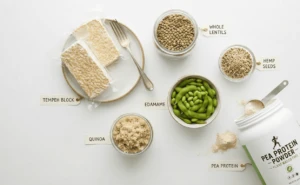
A high-performance plant-based athlete nutrition programme is built on a diverse, rotating protein portfolio. Relying on a single source creates amino acid gaps and dietary monotony. These are the most performance-relevant plant proteins available:
| Fonte de proteína | Protein per 100g (cooked) | Complete Amino Acid Profile? |
| Seitan (vital wheat gluten) | ~25 g | No (low lysine) |
| Hemp seeds | ~31 g (raw) | ✅ Yes |
| Tempeh | ~19 g | ✅ Yes |
| Firm tofu / edamame | 8–17 g | ✅ Yes |
| Pea protein isolate (powder) | 20–24 g per serving | Near-complete |
| Lentils (brown/green) | ~9 g | No |
| Black beans | ~8.9 g | No |
| Quinoa | ~4.4 g | ✅ Yes |
Hemp seeds and whole soy foods (tofu, tempeh, edamame) represent the gold standard in complete plant proteins. Pea protein isolate has emerged as the leading supplement-form protein for plant-based athletes, valued for its high leucine content, excellent digestibility, and minimal gastrointestinal disruption. Combine incomplete protein sources across the day — rice with lentils, hummus on whole grain bread — to ensure a full spectrum of essential amino acids.
Meal Planning for the Plant-Based Athlete
Effective plant-based athlete nutrition is built on structure. Without deliberate meal planning, it is easy to chronically under-consume total calories, protein, and micronutrients — the three most common failure points for athletes making the transition.
Pre-Workout Nutrition Strategies
Consume your pre-workout meal 90–120 minutes before training. Prioritise easily digestible, moderate-glycaemic carbohydrates with a manageable protein component. Keep fat and fibre intake low to accelerate gastric emptying and prevent GI distress.
Effective pre-workout meal options:
- Steel-cut oats with sliced banana, a tablespoon of hemp seeds, and a drizzle of almond butter
- Whole grain rice cakes with tahini and two to three Medjool dates
- A blended smoothie with frozen mixed berries, spinach, plant-based protein powder, and fortified oat milk
Post-Workout Recovery Nutrition
The post-exercise window — ideally within 30–60 minutes of completing training — is the highest-priority nutritional moment of the day for muscle protein synthesis and glycogen replenishment. Target a 3:1 to 4:1 carbohydrate-to-protein ratio, with at least 30–40 g of protein included.
High-performance post-workout meal options:
- Tofu and vegetable stir-fry served over brown rice with tamari and sesame seeds
- Pea protein shake blended with banana, frozen mango, fortified oat milk, and a handful of spinach
- Red lentil soup with a side of whole grain sourdough and a generous serving of hummus
A Sample Daily Meal Plan
| Meal | Example |
| Breakfast | Steel-cut oats with chia seeds, mixed berries, walnuts, and fortified oat milk |
| Mid-Morning Snack | Apple slices with almond butter and a small handful of pumpkin seeds |
| Lunch | Tempeh and quinoa power bowl with roasted seasonal vegetables, avocado, and tahini-lemon dressing |
| Pre-Workout (2:00 PM) | Banana with two rice cakes and two tablespoons of peanut butter |
| Post-Workout Shake | Pea protein + banana + frozen berries + fortified oat milk |
| Dinner | Black bean and roasted sweet potato tacos on corn tortillas with guacamole and shredded cabbage |
| Evening Snack | Edamame with sea salt, or a small bowl of fortified soy yoghurt |
This sample plan delivers approximately 2,800–3,200 calories, 150–170 g of protein, and a broad spectrum of micronutrients — appropriate for a 70–80 kg athlete in a moderate-to-high training phase.
Essential Supplements for Plant-Based Athletes
Even the most meticulously planned plant-based athlete nutrition programme carries inherent gaps that food alone cannot reliably close. The following supplements are broadly recommended across the sports nutrition and dietetics literature for plant-based athletes:
| Supplement | Recommended Dose | Fundamentação |
| Vitamin B12 (cyanocobalamin) | 250 mcg/day or 1,000–2,000 mcg × 3/week | Non-negotiable; absent from unfortified plant foods |
| Vitamin D3 (lichen-derived) | 1,000–4,000 IU/day (guided by blood test) | Bone health, immunity, muscle power output |
| Algae-based Omega-3 (EPA + DHA) | 250–500 mg combined/day | Anti-inflammatory, cognitive function, recovery |
| Creatine monohydrate | 3–5 g/day | Plant-based athletes have lower baseline creatine stores; evidence-backed for strength and power |
| Zinc (bisglycinate or picolinate) | 15–25 mg/day | Protein synthesis, testosterone, immune defence |
| Iodine | 150 mcg/day | Thyroid function; often missing from plant-based diets without seaweed or iodised salt |
Conclusão
A plant-based diet for athletes, when followed with knowledge and intention, is a truly elite performance strategy—not a sacrifice or a compromise. The evidence base is compelling, the practical roadmap is well-defined, and the number of athletes proving its effectiveness at the highest levels of sport is multiplying.
The key is to approach your plant-based diet as a precision system: master your macronutrient goals for your sport, proactively address your micronutrient gaps, build a diverse and rotating protein portfolio, structure your meals purposefully around your training schedule, and use supplements strategically whenever your diet isn’t enough.
Do this consistently, and a plant-based diet will transform from a dietary identity into one of the most powerful performance tools in your arsenal—supporting not only today’s workout but decades of a sustainable, injury-resistant athletic life.
You have everything you need. Now go out there and build something exceptional.
Published by The Iron Nutrition | Category: Nutrition Guides | Last updated: June 2026
Did this guide help you? Share it with your training community and explore our articles.
You might also like — Macro Counting 101: The Ultimate Beginner’s Guide to Fat Loss and Muscle Gain
Product Recommended by The Iron Nutrition
Optimum Nutrition Gold Standard 100% Plant Based Protein Powder.