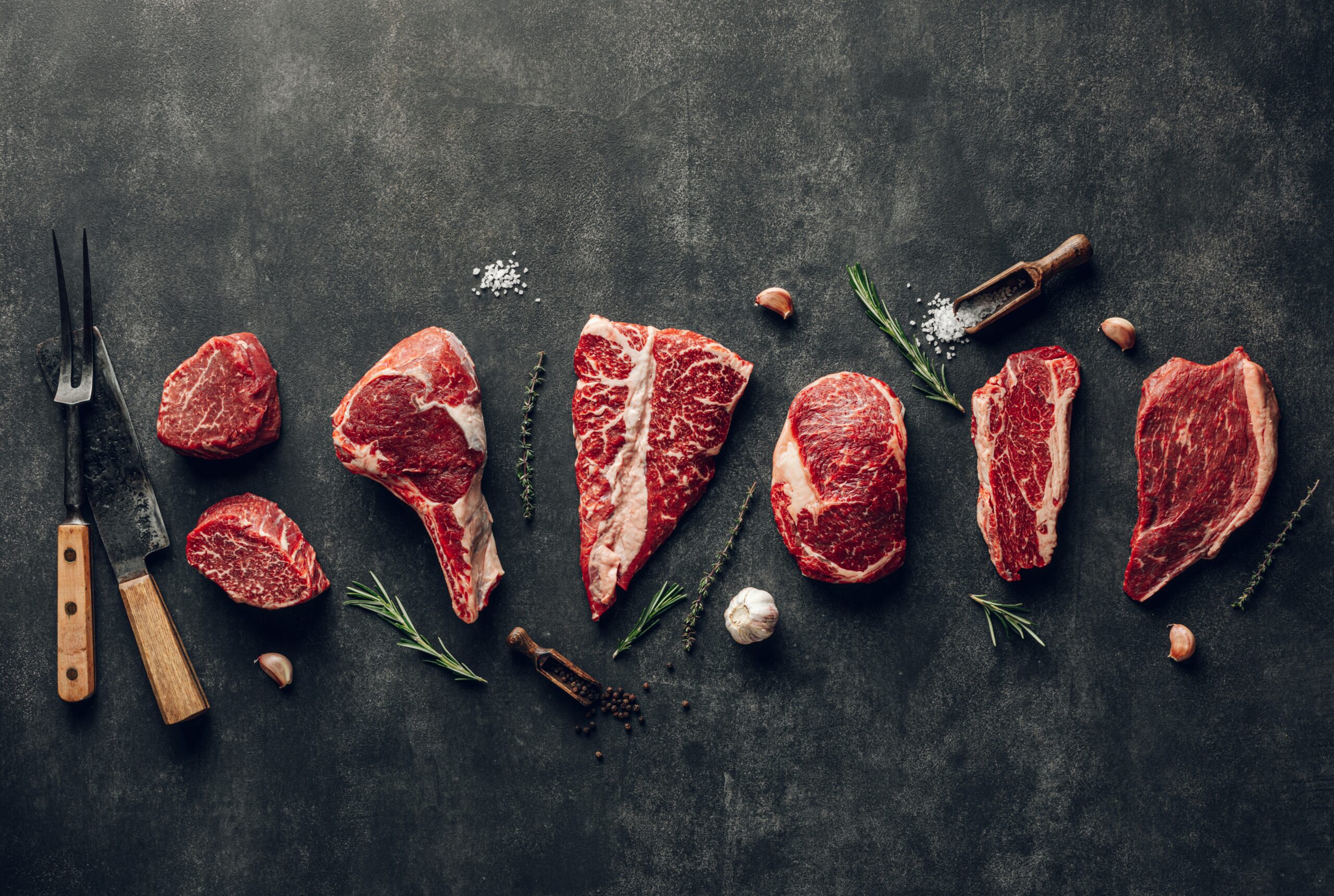
Are you looking to optimize your diet? Integrating high-protein foods into your daily routine is the most effective way to build muscle and boost your metabolic rate. In this guide, we explore the essential tools to help you reach your goals.
Why High-protein Intake is the Engine of Your Physique
Muscle Protein Synthesis and Recovery
Protein is not just a supplement—it is the essential building block of your body. Additionally, when you lift weights, you create microscopic tears in your muscle fibers. Protein provides the amino acids necessary to repair and grow these fibers stronger than before through a process called Muscle Protein Synthesis. Without consistent protein intake, your hard work in the gym goes to waste.
The Thermic Effect of Food (TEF)
Did you know that eating burns calories? Protein has the highest Thermic Effect of Food (TEF) of all macronutrients. Consequently, your body spends significantly more energy digesting a high-protein meal compared to one rich in carbs or fats. By prioritizing protein, you are naturally boosting your metabolism and supporting your fat loss efforts.

Top 10 High-Protein Sources (The Powerhouses)
| Protein Source | Protein (per 100g) | Calories (approx.) |
|---|---|---|
| Chicken Breast | 31 g | 165 kcal |
| White Fish (e.g., Tilapia) | 20 g | 96 kcal |
| Egg Whites | 11 g | 52 kcal |
| Lean Beef (Sirloin) | 26 g | 170 kcal |
| Greek Yogurt (% Fat) | 10 g | 59 kcal |
| Whey Protein (Powder) | 75 g | 380 kcal |
| Cottage Cheese | 11 g | 98 kcal |
| Lentils (cooked) | 9 g | 116 kcal |
| Tofu | 8 g | 76 kcal |
| Seitan | 25 g | 120 kcal |
The Lean Proteins (Animal-Based)
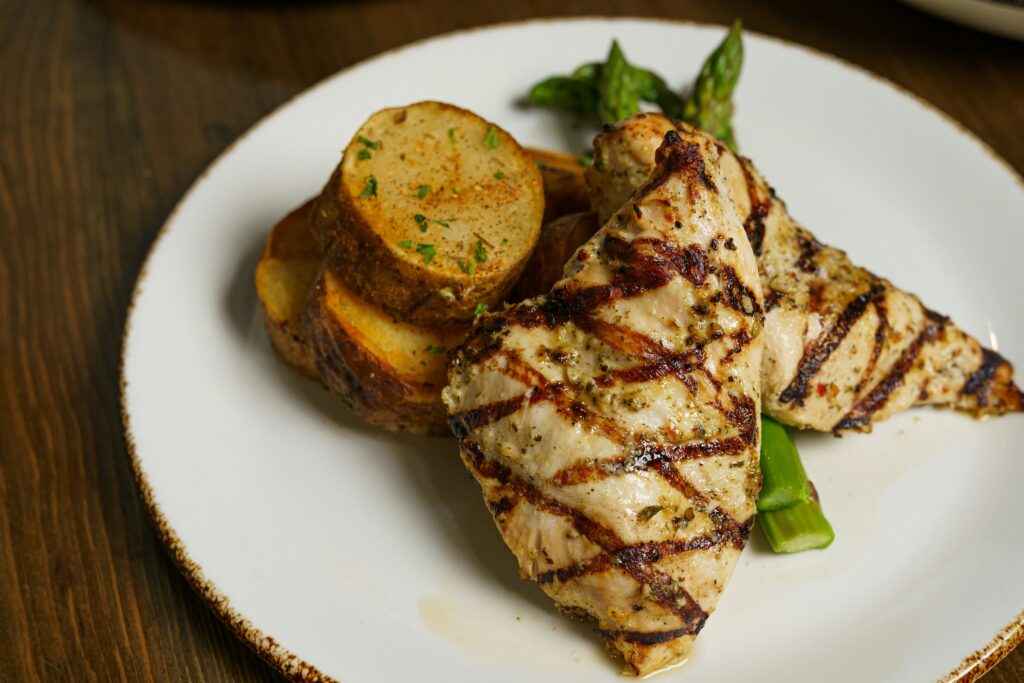
- Chicken Breast: The gold standard. It is incredibly lean and provides a high density of protein per gram.
- White Fish (Cod/Tilapia): Perfect for the final stages of a cut. It is almost pure protein with negligible fat.
- Egg Whites: The ultimate “macro-hacker.” You can add volume to your meals with zero fat and high-quality protein.
- Lean Beef/Sirloin: Rich in iron and B12, making it essential for energy levels during intense training phases.
The Dairy & Supplement Powerhouses
- Greek Yogurt (0% Fat): A convenient, high-protein snack that is excellent for gut health.
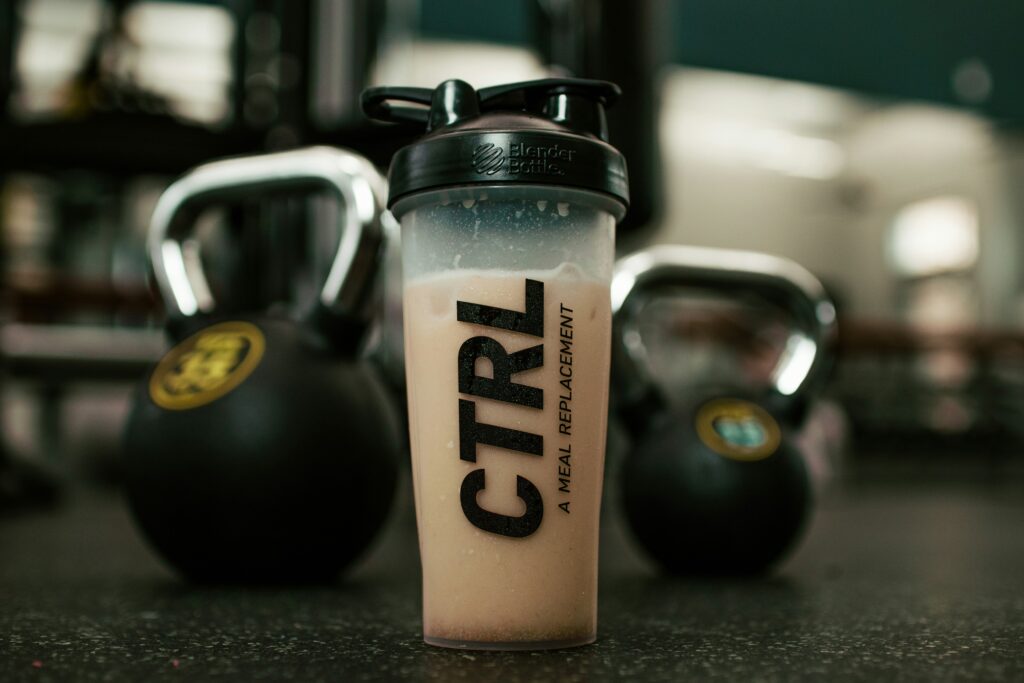
- Whey Protein Isolate: The fastest-digesting protein source. It is the most efficient way to hit your 150g–165g target immediately post-workout.
- Cottage Cheese: Slow-digesting casein, making it the perfect “nightcap” to keep your muscles fed while you sleep.
Plant-Based Options
- Lentils: Great for adding fiber and plant-based protein to your meals.
- Tofu: Extremely versatile; it absorbs the flavors of whatever spices you use.
- Seitan: Known as “wheat meat,” it is the densest plant-based protein available.
How to Distribute High-protein Meals Across Your Day
Why 4 Meals are Better Than 1
To maximize protein synthesis, aim to spread your intake throughout the day. Furthermore, instead of one massive meal, try to have four meals containing 30g–40g of protein each. Ultimately, this keeps your blood amino acid levels stable and keeps you full, making it easier to stick to your 1,700-calorie limit.
Pre- vs. Post-Workout Protein
Your pre-workout meal should be easy to digest (think chicken or fish). Your post-workout window is the perfect time for your Whey Protein shake, as it gets into your system rapidly to stop muscle breakdown and kickstart recovery.
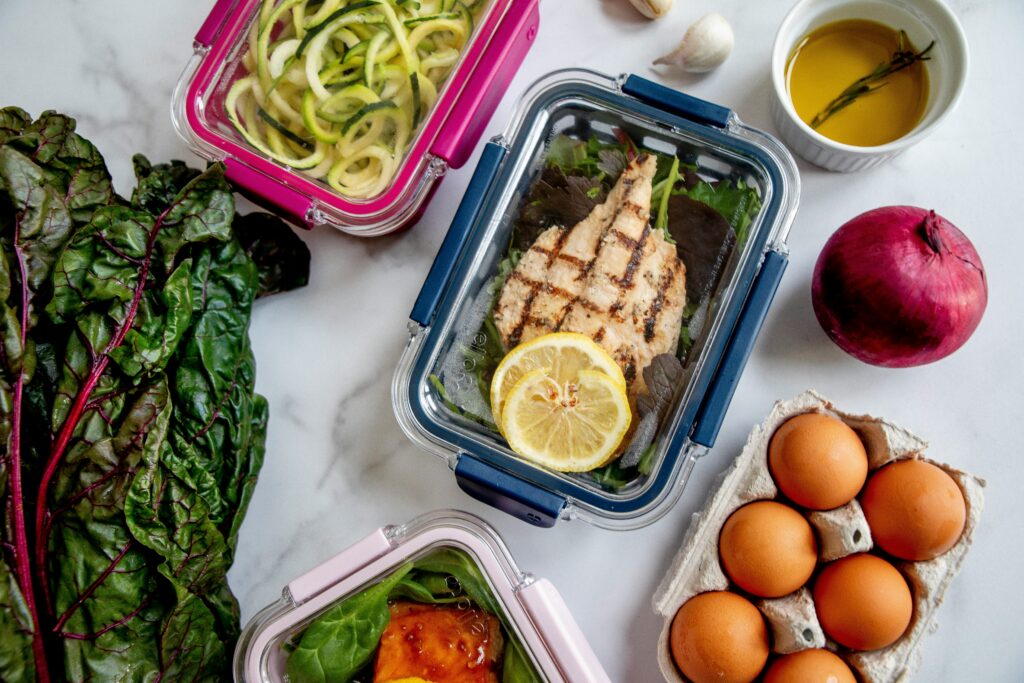
Conclusion
Hitting a high-protein goal like 150g–165g daily isn’t just about discipline—it’s about choosing the right tools. By incorporating these top 10 sources, you ensure your body has everything it needs to perform at its peak.
Ready to start tracking? Check out my guide on [Macro Counting 101] to learn how to fit these protein sources perfectly into your daily budget!